


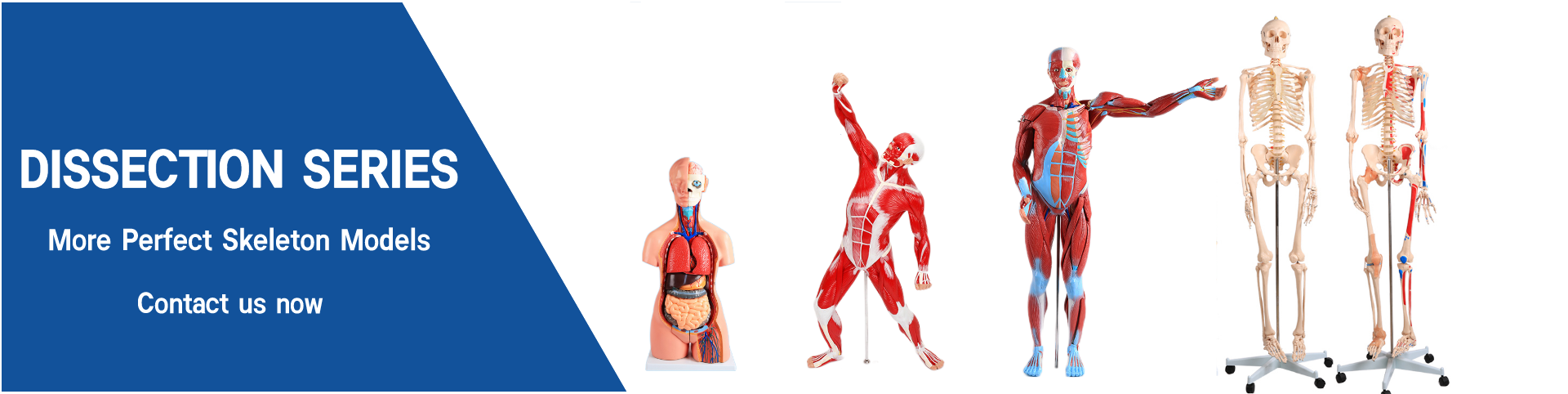
Half body CPR training manikin(Sim....
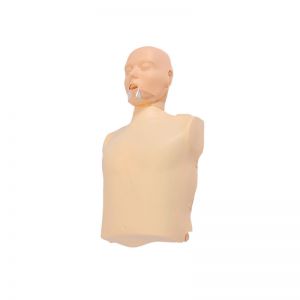
BIX/CPR100A
Advanced fully automatic electroni....
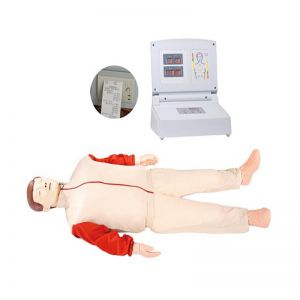
BIX/CPR480
Advanced computer half body CPR ma....
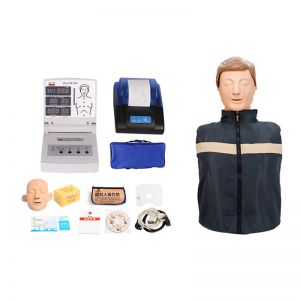
BIX/CPR260
Advanced infant head for trachea i....
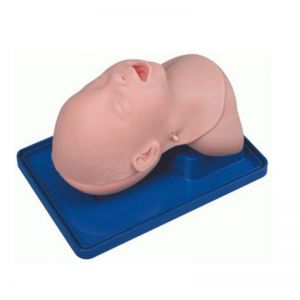
BIX-J3A
Neonate Head for trachea Intubatio....
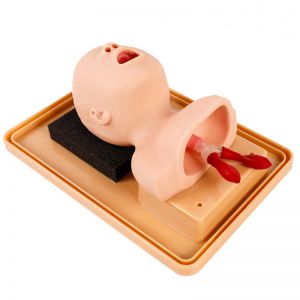
BIX-J2A
Created on:2025-09-25 | bomn
Article tag: Advanced high position bandaging model BIX-LV13
In conclusion, the advanced high-position bandaging model is not only an important tool for mastering bandaging skills, but also a significant auxiliary for enhancing clinical emergency response capabilities and ensuring patient safety.
...The role of advanced high-position bandaging models is mainly reflected in medical teaching, skills training and clinical demonstration, etc.
Firstly, this model is designed based on the real proportion of human limbs, clearly presenting structures such as skin, muscles and blood vessels, providing trainees with an operation environment close to clinical conditions, which is convenient for learning and mastering the basic principles and methods of high bandaging.
Secondly, in the skills training, trainees can repeatedly practice different types of bandaging techniques on the model, such as hemostatic bandaging, support fixation and pressure bandaging, etc. By simulating different clinical situations, they can cultivate the ability to operate quickly, accurately and in a standardized manner, reducing the risks in real patient operations. In addition, this model can be used for teachers' demonstrations and evaluations, visually presenting the bandaging steps, force control and precautions, thereby enhancing teaching effectiveness.
Meanwhile, it also plays a significant role in first aid training, clinical emergency drills, and scientific research and teaching, providing visual support for the handling of sudden injuries and the application of innovative technologies.
In conclusion, the advanced high-position bandaging model is not only an important tool for mastering bandaging skills, but also a significant auxiliary for enhancing clinical emergency response capabilities and ensuring patient safety.