


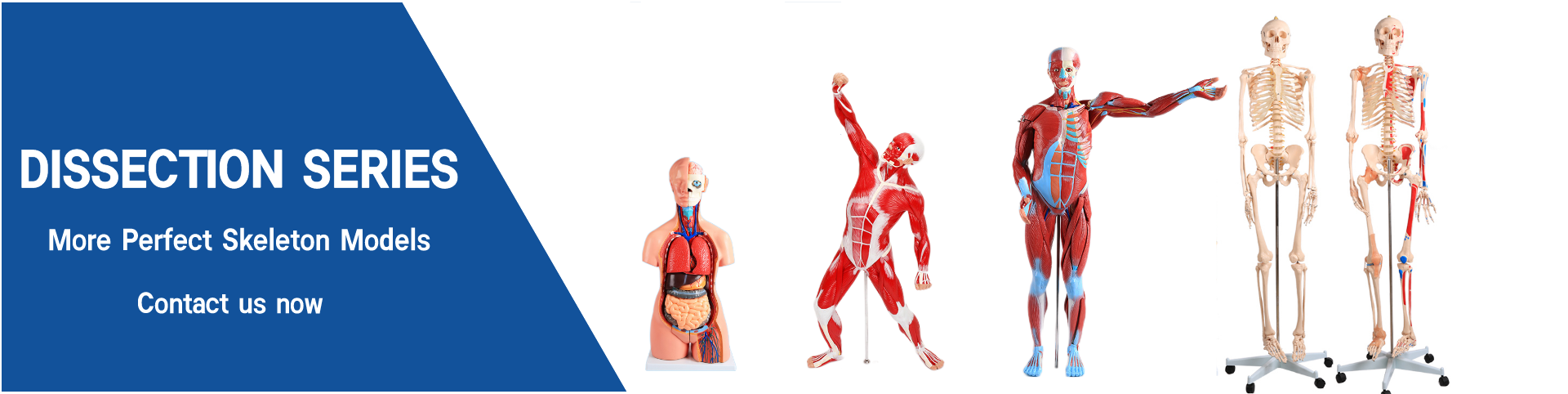
Half body CPR training manikin(Sim....
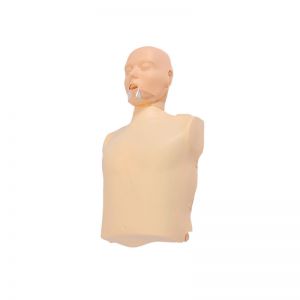
BIX/CPR100A
Advanced fully automatic electroni....
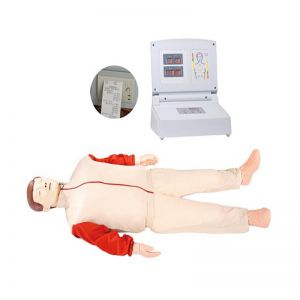
BIX/CPR480
Advanced computer half body CPR ma....
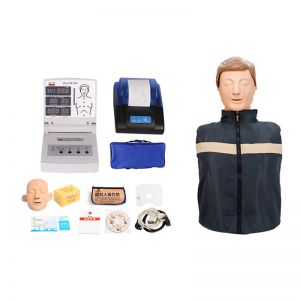
BIX/CPR260
Advanced infant head for trachea i....
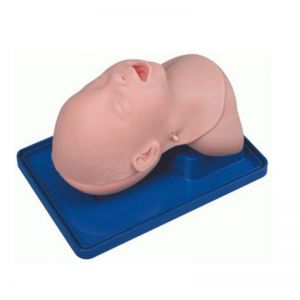
BIX-J3A
Neonate Head for trachea Intubatio....
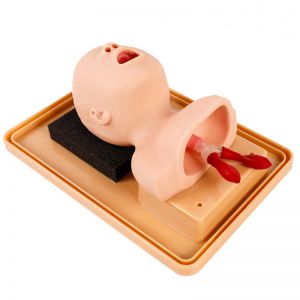
BIX-J2A
Created on:2025-10-11 | bomn
Article tag: Cardiac anatomical model BIX-A1068
The cardiac anatomy model is a highly realistic model used in medical teaching, clinical training and scientific research demonstrations, precisely reproduces the internal and external structure of the heart, including the atria, ventricles, heart valves, c...
The cardiac anatomy model is a highly realistic model used in medical teaching, clinical training and scientific research demonstrations, precisely reproduces the internal and external structure of the heart, including the atria, ventricles, heart valves, coronary arteries and major vascular outlets. The model is made to human scale, with a clear structure and is detachable, facilitating the observation of the relative positions and functional relationships of each chamber and valve.
The main function of this model is to help students intuitively understand the anatomical structure of the heart and the blood circulation path, master the role of each structure of the heart in physiological functions, and provide a theoretical basis for the diagnosis and treatment of heart diseases. Through operation and demonstration, learners can simulate the direction of blood flow, the opening and closing of valves, and the contraction of the heart muscle, enhancing their understanding of cardiac function and pathological changes.
In addition, cardiac anatomical models can be used for clinical skills training, such as cardiac ultrasound operation, path planning for cardiac interventional surgery, and teaching demonstrations of heart diseases, making the abstract structure of the heart concrete. Its repeatable operation, portability and display make it an indispensable teaching tool in medical education and clinical training, which is of great significance for enhancing students' anatomical cognition and clinical application ability.