



Half body CPR training manikin(Sim....
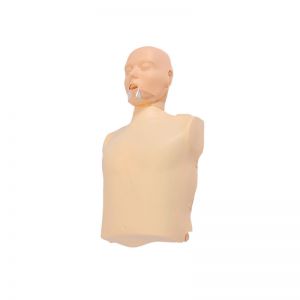
BIX/CPR100A
Advanced fully automatic electroni....
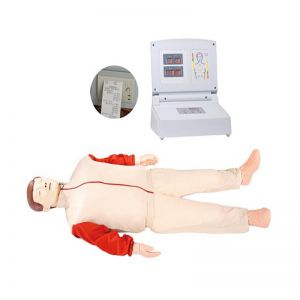
BIX/CPR480
Advanced computer half body CPR ma....

BIX/CPR260
Advanced infant head for trachea i....
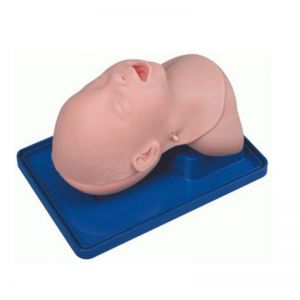
BIX-J3A
Neonate Head for trachea Intubatio....
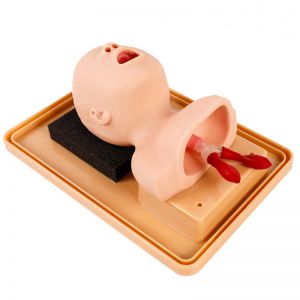
BIX-J2A
Created on:2025-10-24 | bomn
Article tag: Diabetic foot care model BIX-HS19
The diabetic foot care model is a highly realistic teaching device specially designed for foot care training of diabetic patients. It can truly simulate common pathological changes of diabetic foot, such as ulcers, infections, edema, necrosis and vascular l...
The diabetic foot care model is a highly realistic teaching device specially designed for foot care training of diabetic patients. It can truly simulate common pathological changes of diabetic foot, such as ulcers, infections, edema, necrosis and vascular lesions, etc. This model is made of flexible materials, with a realistic appearance and differences in touch and color, which is convenient for trainees to identify the lesion sites and master the methods of disease assessment and care. Through model training, trainees can master proficiently wound cleaning, dressing change, pressure relief, wound protection and key points of daily care, thereby enhancing the safety and professionalism of nursing operations.
In teaching and clinical practice, the diabetic foot care model is widely applied in nursing colleges, diabetes clinics of hospitals and community health education activities. Through repeated practice, trainees can become familiar with the assessment process, nursing norms and complication prevention and control measures of diabetic foot, and at the same time enhance their ability to provide psychological counseling and health education to patients. This model not only provides a safe and controllable practice environment for nursing skills training, but also enhances the practical operation ability of nursing staff in preventing and handling diabetic foot problems in clinical practice, offering important support for improving the quality of life of patients and reducing the risk of foot complications.