


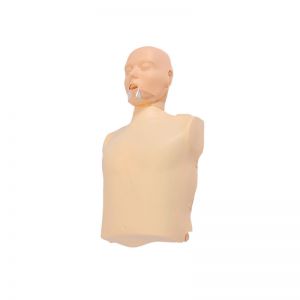
Half body CPR training manikin(Sim....
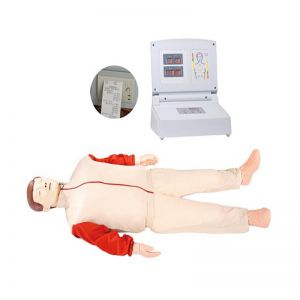
BIX/CPR100A
Advanced fully automatic electroni....
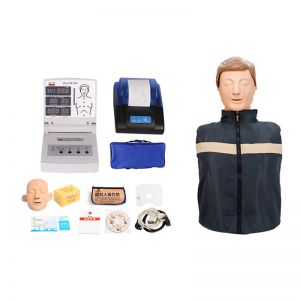
BIX/CPR480
Advanced computer half body CPR ma....
BIX/CPR260
Advanced infant head for trachea i....
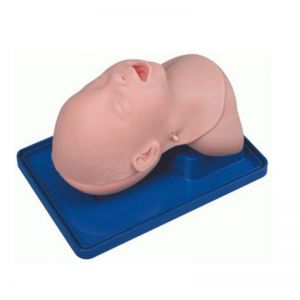
BIX-J3A
Neonate Head for trachea Intubatio....

BIX-J2A
Created on:2025-11-22 | bomn
Article tag: hand joint models with ligaments BIX-A1030
The design of hand joint models with ligaments can more comprehensively and realistically display the structural characteristics and movement mechanisms of hand joints, and has obvious advantages over ordinary bone models.
...The design of hand joint models with ligaments can more comprehensively and realistically display the structural characteristics and movement mechanisms of hand joints, and has obvious advantages over ordinary bone models. The model, on the basis of presenting bony structures such as the wrist joint, metacarpophalangeal joint, and interphalangeal joint, adds key ligaments, such as collateral ligaments and metacarpophalangeal plates, allowing learners to clearly see the source of joint stability and the force changes during various movements.
Structures with ligaments can simulate multi-directional movements of the hand such as flexion, extension, abduction, and rotation, enabling students to have a more intuitive understanding of how ligaments limit excessive movement, protect joints, and affect function in the event of injury. This model is particularly suitable for teaching the mechanism of hand injuries, evaluating rehabilitation training, and anatomical localization in surgical operations. For rehabilitation treatment, orthopedic teaching and skills training, it can significantly enhance learning efficiency, help learners establish more accurate spatial cognition, and is a highly practical teaching aid for understanding the structure and function of the hand.