


Half body CPR training manikin(Sim....
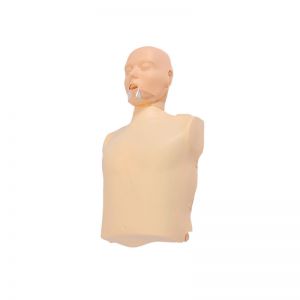
BIX/CPR100A
Advanced fully automatic electroni....
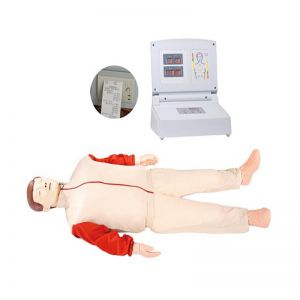
BIX/CPR480
Advanced computer half body CPR ma....
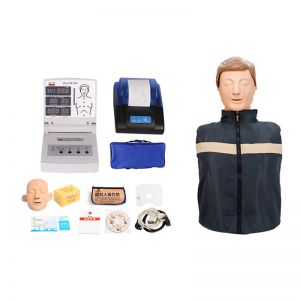
BIX/CPR260
Advanced infant head for trachea i....
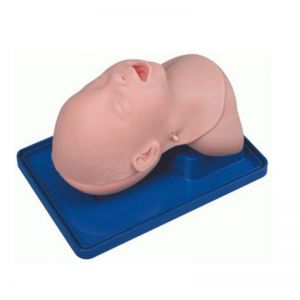
BIX-J3A
Neonate Head for trachea Intubatio....
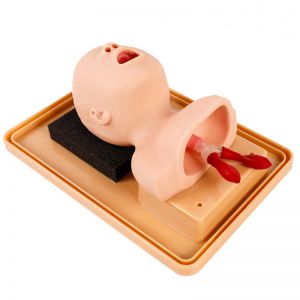
BIX-J2A
Created on:2025-12-01 | bomn
Article tag: bleeding control arm model BIX/G105-2
The bleeding control arm model is a highly realistic training device specifically designed for first aid training and clinical skills teaching. It is mainly used to simulate different types of limb bleeding scenarios, including capillary, venous and arteria...
The bleeding control arm model is a highly realistic training device specifically designed for first aid training and clinical skills teaching. It is mainly used to simulate different types of limb bleeding scenarios, including capillary, venous and arterial bleeding. Its core function is to help trainees master key skills such as tourniquet usage, pressure bandaging, acupressure hemostasis and rapid assessment of bleeding degree in a realistic environment. Through adjustable bleeding speed and realistic tissue structure, trainees can directly experience the changes in blood loss conditions, improving the accuracy of judgment and operation.
This model is widely applied in pre-hospital emergency training, nursing practice, military medical teaching and various emergency drills, enabling trainees to repeatedly practice in a risk-free environment and enhance their ability to stop bleeding quickly and handle emergencies. It is of great significance for reducing hemorrhagic casualties in real accidents.