


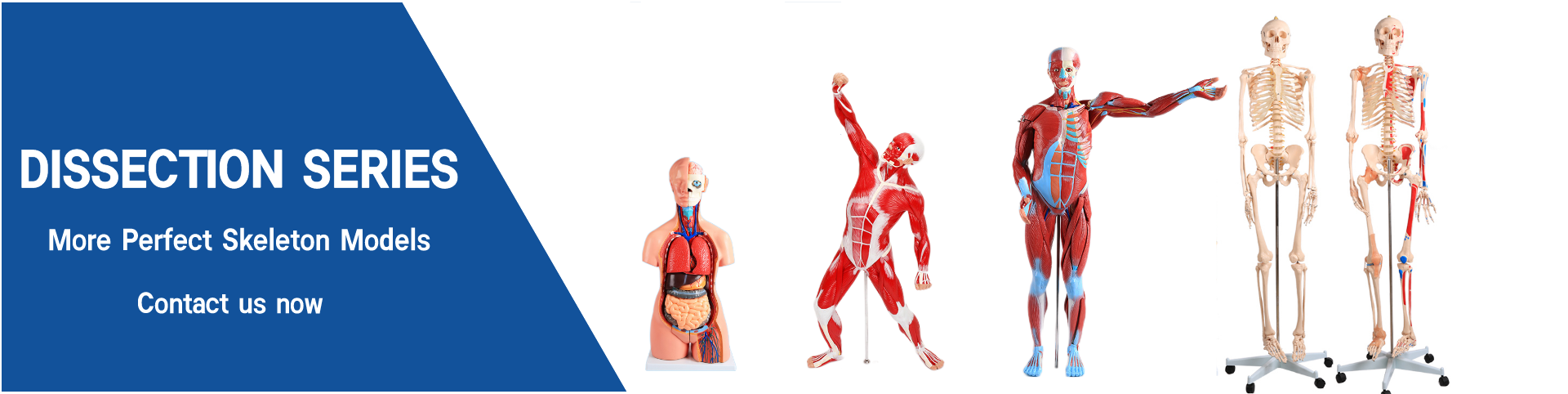
Half body CPR training manikin(Sim....
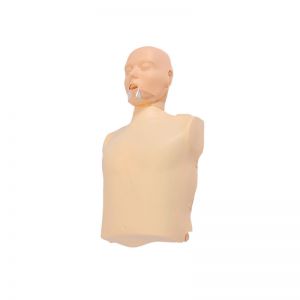
BIX/CPR100A
Advanced fully automatic electroni....
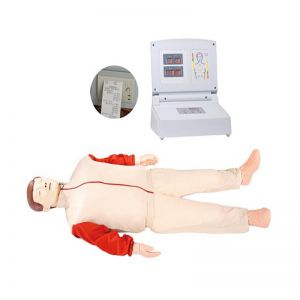
BIX/CPR480
Advanced computer half body CPR ma....
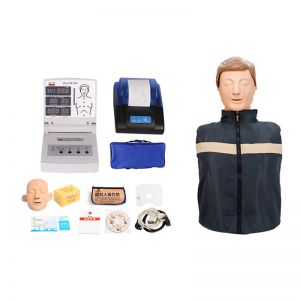
BIX/CPR260
Advanced infant head for trachea i....
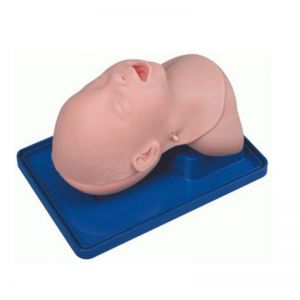
BIX-J3A
Neonate Head for trachea Intubatio....
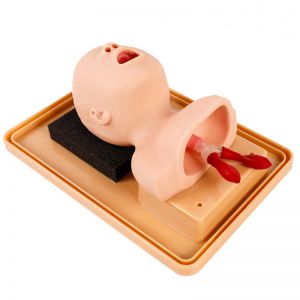
BIX-J2A
Created on:2026-07-24 | bomn
The BIX/ACLS150 is an AHA 2015-compliant neonatal ACLS training system integrating vital signs simulation, electronic CPR monitoring, AED simulation, real defibrillation and pacing, 20-lead ECG monitoring, and 100+ cardiopulmonary auscultation sounds...
Every year, an estimated 10 million newborns worldwide require assistance to initiate breathing at birth. Of these, approximately 6 million require basic stimulation and airway clearance, 3 million require bag-mask ventilation, and 1 million require advanced resuscitation including chest compressions, intubation, and medication (Ersdal et al., 2012).
The clinical window is unforgiving. The neonatal myocardium depletes its glycogen reserves within 90 seconds of asphyxiation. Beyond this threshold, effective chest compressions are the only intervention that can restore coronary perfusion pressure — but compression technique on a 3 kg neonate bears no resemblance to adult CPR. The recommended depth is one-third of the anteroposterior chest diameter (1.5–2 cm), delivered with a two-thumb technique at a 3:1 compression-to-ventilation ratio (Wyckoff et al., 2015).
Training for this requires a simulator that replicates not just the anatomy but the physiological feedback of a compromised newborn. The BIX/ACLS150 was engineered for precisely this purpose: a single platform covering the full neonatal resuscitation algorithm from initial assessment through post-resuscitation care.
The BIX/ACLS150 consolidates seven discrete training functions into one neonatal manikin system.
Module | Training Capability | Clinical Context |
Vital Signs Simulation | Bilateral pupil response (dilated/normal); carotid, femoral, brachial, and umbilical artery pulse palpation | Rapid assessment of perfusion status during neonatal transition |
Airway Management | Oral and nasal intubation; suction via mouth and nose; anatomically accurate epiglottis, trachea, and esophagus | Securing the airway in meconium aspiration, choanal atresia, and Pierre Robin sequence scenarios |
Electronic CPR Monitoring | Real-time detection of compression depth, rate, ventilation volume, and 3:1 ratio compliance; English voice guidance throughout | Objective feedback on the most error-prone component of neonatal resuscitation (Wyckoff et al., 2015) |
AED Simulation | Automatic rhythm detection; simulated defibrillation with electrode placement; English voice prompts | Training for the rare but critical pediatric cardiac arrest requiring defibrillation |
ECG Monitoring | 20 configurable ECG rhythms via integrated generator | Rhythm recognition training: sinus, SVT, VT, VF, asystole, and heart block variants |
Real Defibrillation & Pacing | Compatible with clinical defibrillators and external pacers (user-supplied) | Transitions training from simulation to hands-on device operation |
Cardiopulmonary Auscultation | 100+ normal and abnormal heart, breath, bowel, and vascular sounds via integrated auscultation simulator | Recognition of murmurs, crackles, wheezes, and bruits — essential for NICU differential diagnosis |
A prospective cohort study of 12 neonatal intensive care units across 6 countries examined the effect of simulation-based training on neonatal resuscitation outcomes. Units that deployed comprehensive electronic-feedback simulators — covering airway, CPR, defibrillation, and auscultation on a single platform — reduced the time to first effective ventilation from 63 seconds to 41 seconds compared to units using separate single-function trainers. The 22-second difference represents roughly 44 effective breaths delivered earlier in the resuscitation sequence (Msemo et al., 2013).
A follow-up analysis by Kamath-Rayne et al. (2017) found that the integration of electronic CPR feedback into neonatal simulation reduced compression depth errors by 47% and ventilation rate errors by 38% within the first three training sessions. The study concluded that mechanical-optical feedback was the single most impactful variable in improving neonatal CPR quality, surpassing instructor-to-student ratio and session frequency.
The BIX/ACLS150 incorporates all three feedback modalities identified in the literature as critical to neonatal resuscitation training: real-time compression/ventilation metrics, auditory guidance, and post-session data review capability.
Every BIX/ACLS150 system ships as a complete training suite:
● Intelligent ACLS Neonatal Manikin
● Blood Pressure Training Equipment
● Heart and Lung Auscultation Simulator Set
● ECG Rhythm Generator (20 programmable rhythms)
● Defibrillator Converter Unit
● CPR Performance Display Monitor
● Accessories: BVM resuscitator, stethoscope, laryngoscope with neonatal blades, tracheotomy tube, infusion set
Optional add-ons:
● Automated External Defibrillation Simulator
● Simulative Cardiac Defibrillator and Pacemaker
All components are housed in the neonatal manikin's integrated architecture — no external wiring, no separate computers required for basic operation.
Training Capability | Purchased Separately | BIX/ACLS150 |
Neonatal CPR manikin | $400–800 | Included |
Electronic CPR feedback system | $500–1,200 | Included |
Neonatal airway intubation trainer | $150–350 | Included |
AED simulator | $200–500 | Included |
ECG rhythm generator | $300–800 | Included |
Auscultation trainer (heart/lung/bowel sounds) | $400–1,000 | Included |
Vital signs simulator | $200–600 | Included |
Estimated separate procurement | $2,150–5,250 | Single integrated unit |
For a NICU or pediatric emergency department establishing a dedicated neonatal resuscitation training bay, the BIX/ACLS150 eliminates the procurement, calibration, storage, and instructor-training overhead of 7 separate devices.
Airway Cleaning:
1. Flush oral and nasal passages with clean water after each training session. Use enzymatic detergent for weekly deep cleaning.
ECG Electrode Sites:
2. Wipe electrode contact points with dry cloth after use. Avoid alcohol on electrode pads to prevent conductive gel degradation.
Auscultation Sensors:
3. The integrated speaker system is factory-sealed. Do not insert objects into auscultation ports.
Consumables:
4. Replacement lung bags, face skins, and umbilical cord simulators are available as spare parts. Contact
adacpr@adaanatomy.com
for the consumables catalog.
Electronics:
5. The CPR display monitor and ECG generator operate on standard AC power. Surge protection is recommended in regions with unstable electrical supply.
Expected Service Life:
6. 5–7 years with proper maintenance and regular consumable replacement.
Q1: Is the BIX/ACLS150 compatible with real defibrillators? A: Yes. The defibrillator converter unit accepts standard defibrillator paddle and pad inputs for hands-on defibrillation practice at attenuated energy levels. The clinical defibrillator must be user-supplied.
Q2: How many ECG rhythms does the generator produce? A: 20 programmable rhythms covering sinus, atrial, junctional, ventricular, and conduction block categories — sufficient for NRP and PALS rhythm recognition training requirements.
Q3: Does the CPR monitor produce printed performance reports? A: The standard CPR display monitor provides real-time on-screen metrics. For printed report capability, inquire about our data-logging upgrade option at cprwell@adaanatomy.com..
Q4: What is the difference between this and a basic neonatal CPR manikin? A: A basic manikin provides passive airway and compression practice only. The BIX/ACLS150 adds electronic feedback on compression depth/rate/ratio, voice guidance, ECG monitoring, defibrillation capability, and auscultation training — the full NRP skill set on one platform.
Q5: Is training required to operate the system? A: The system is designed for instructor-led use. A printed operator's manual with scenario scripts is included. On-site installation training is available for multi-unit institutional orders.
Q6: What is the MOQ and shipping timeline? A: Standard MOQ is 1 unit. Air freight delivery is 7–10 business days for single-unit orders. Institutional orders of 3+ units qualify for consolidated sea freight (30–45 days). Email cprwell@adaanatomy.com. for a formal quotation including shipping to your destination.
Neonatal Resuscitation Guideline — Wyckoff et al. (2015)
Helping Babies Breathe — Msemo et al. (2013)
Impact of Feedback on Neonatal CPR Quality — Kamath-Rayne et al. (2017)
Delivering Effective Ventilation at Birth — Ersdal et al. (2012)
AHA 2020 Guidelines for Neonatal Resuscitation
WHO Standards for Improving Quality of Maternal and Newborn Care (2020)