


Half body CPR training manikin(Sim....
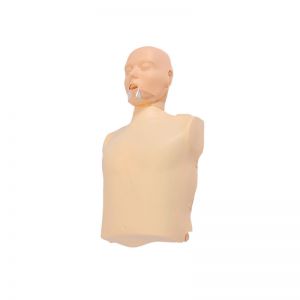
BIX/CPR100A
Advanced fully automatic electroni....
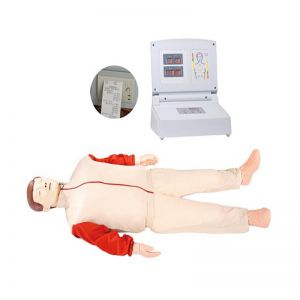
BIX/CPR480
Advanced computer half body CPR ma....
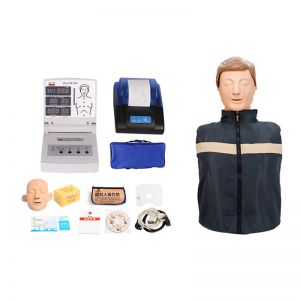
BIX/CPR260
Advanced infant head for trachea i....
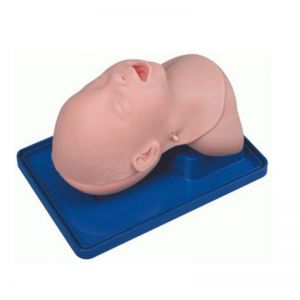
BIX-J3A
Neonate Head for trachea Intubatio....
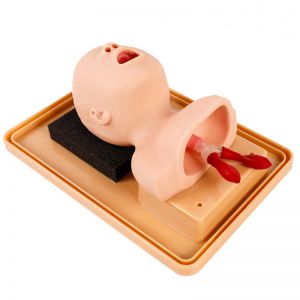
BIX-J2A
Created on:2025-09-12 | bomn
Article tag: Pediatric nasogastric tube model BIX-F64
The pediatric nasogastric tube model is a commonly used training tool in nursing and medical teaching, which is used to help trainees master the skills of pediatric nasogastri...
The pediatric nasogastric tube model is a commonly used training tool in nursing and medical teaching, which is used to help trainees master the skills of pediatric nasogastric tube placement and care. Its operation process generally includes the following steps:
First, prepare the necessary items, including nasogastric tubes, syringes, feeding fluids, lubricants, gloves and masks, etc., and check whether the nasal cavity, throat and stomach structures of the model are intact.
Secondly, measure the length of the nasogastric tube from the tip of the nose to the earlobe and then to the lower end of the xiphoid process to ensure that the tube length is appropriate. Then, gently insert the nasogastric tube into one nostril of the model and slowly advance it along the nasopharyngeal passage, being careful to avoid excessive force or deviation. After insertion to the predetermined depth, a small amount of simulated liquid can be drawn or injected through a syringe to confirm that the tube has reached the position of the stomach. Subsequently, fix the tube to the nose of the model and keep it stable to facilitate the feeding operation.
After the operation is completed, the model should be cleaned, the nasal passage should be rinsed, and the pipeline should be kept unobstructed to extend its service life. Through repeated training of the pediatric nasogastric tube model, trainees can proficiently master the nasogastric feeding operation process, the judgment of tube length and safety precautions, and improve their clinical nursing skills and operational confidence.