


Half body CPR training manikin(Sim....
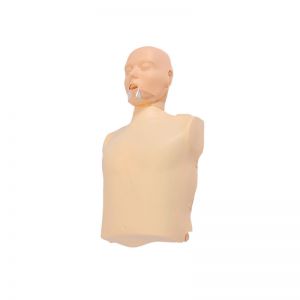
BIX/CPR100A
Advanced fully automatic electroni....
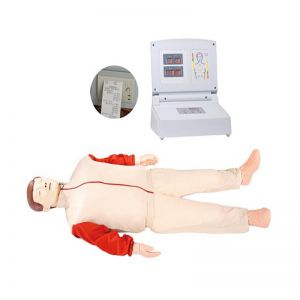
BIX/CPR480
Advanced computer half body CPR ma....
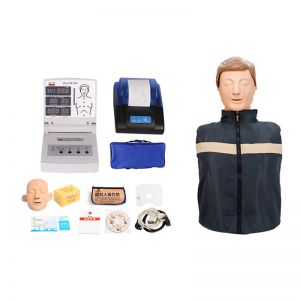
BIX/CPR260
Advanced infant head for trachea i....
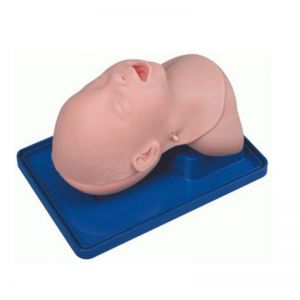
BIX-J3A
Neonate Head for trachea Intubatio....
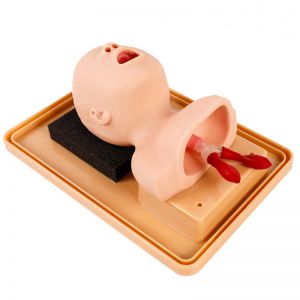
BIX-J2A
Created on:2025-09-11 | bomn
Article tag: Hand joint model BIX-A1029
The hand joint model is a commonly used tool in medical teaching and clinical training. It can clearly display the structural characteristics of the hand's bones, joints and ligaments, which is of great significance to medical learning and clinical prac...
The hand joint model is a commonly used tool in medical teaching and clinical training. It can clearly display the structural characteristics of the hand's bones, joints and ligaments, which is of great significance to medical learning and clinical practice.
First of all, in medical education, the structure of hand joints is complex, involving multiple parts such as the wrist joint, metacarpophalangeal joint and interphalangeal joint. It is often difficult to form a three-dimensional understanding merely by relying on books and images. Through the model, students can visually observe the position and movement patterns of joints, understand the realization mechanisms of flexion, extension, rotation and other actions, and thereby deepen their mastery of anatomical and functional knowledge.
Secondly, in clinical training, hand joint models can be used for teaching in orthopedics, rehabilitation and hand surgery. Teachers can use it to demonstrate common pathological changes such as fractures and dislocations, and explain the key points of fixation, reduction and functional recovery in combination with rehabilitation training methods. For operations such as small joint puncture or injection, the model also provides trainees with a low-risk and repeatable practice platform.
Finally, in patient education, the hand joint model can help doctors explain the lesion and treatment plan more intuitively, enhancing patients' understanding and cooperation.