


Half body CPR training manikin(Sim....
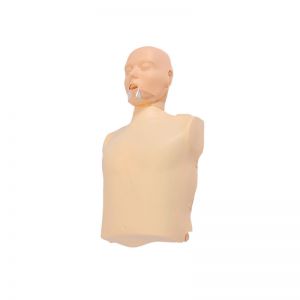
BIX/CPR100A
Advanced fully automatic electroni....
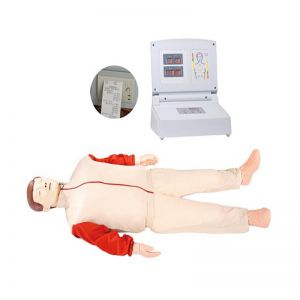
BIX/CPR480
Advanced computer half body CPR ma....

BIX/CPR260
Advanced infant head for trachea i....
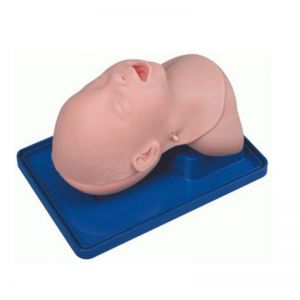
BIX-J3A
Neonate Head for trachea Intubatio....
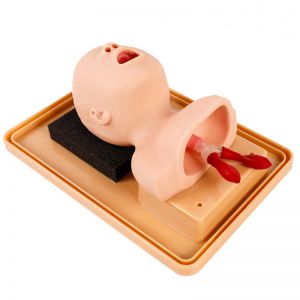
BIX-J2A
Created on:2025-09-10 | bomn
Article tag: Full-term infant model BIX-FT1
Secondly, it also provides practical tools for parent training and public health education, helping new parents learn the daily care of newborns and reduce the risk of accidents. Overall, the emergence of full-term infant models has not only promoted the st...
The full-term infant model is a teaching and training tool made based on the anatomical features and appearance proportions of newborns. Its emergence has significant teaching and clinical significance.
Firstly, it provides intuitive and realistic training objects for nursing and medical education, enabling trainees to repeatedly practice neonatal care and operation skills under risk-free conditions, such as bathing, dressing, changing diapers, umbilical cord care, feeding guidance and vital sign observation, etc. Through the model, students can better understand the particularities of full-term infants in terms of physical characteristics, motor responses and care priorities.
Secondly, the use of full-term infant models, apart from skill development, also plays a role in psychological adaptation and humanistic care training. Many trainees tend to feel nervous and scared when they come into contact with real newborns. Through model practice, they can get familiar with the posture and key points of care of infants in advance, and enhance their confidence and operational stability.
Secondly, it also provides practical tools for parent training and public health education, helping new parents learn the daily care of newborns and reduce the risk of accidents. Overall, the emergence of full-term infant models has not only promoted the standardization and practicality of nursing education, but also played a positive role in improving the quality of clinical nursing and promoting the health of mothers and infants.