


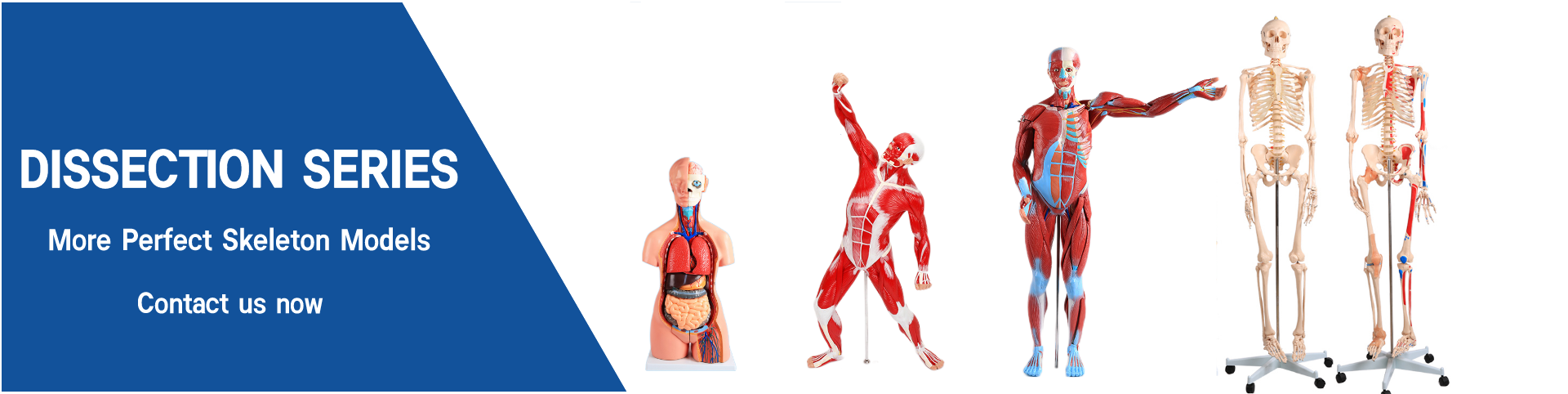
Half body CPR training manikin(Sim....
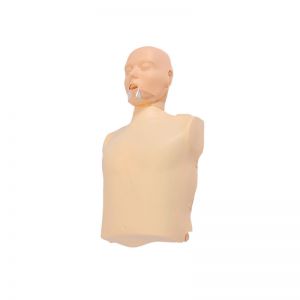
BIX/CPR100A
Advanced fully automatic electroni....
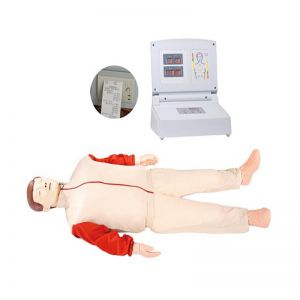
BIX/CPR480
Advanced computer half body CPR ma....
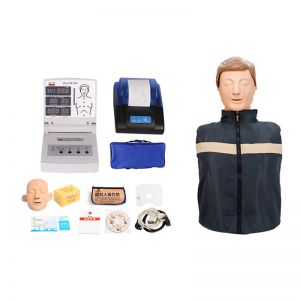
BIX/CPR260
Advanced infant head for trachea i....
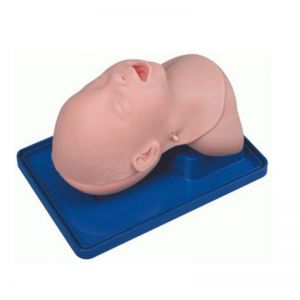
BIX-J3A
Neonate Head for trachea Intubatio....
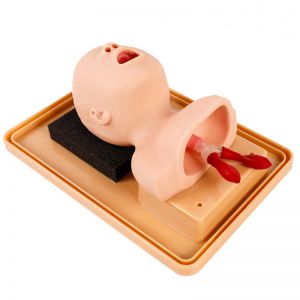
BIX-J2A
Created on:2025-09-19 | bomn
Article tag: Laryngocardiopulmonary model BIX-A1072
Overall, the laryngal-cardiopulmonary model is not only an important teaching aid for medical education and operational training, but also plays a positive role in clinical practice and health promotion.
...The role of the laryngal-cardiopulmonary model is mainly reflected in its multi-faceted applications in teaching, training and clinical practice.
Firstly, it can clearly display the basic anatomical structures of the larynx, heart and lungs and their interrelationships, enabling learners to intuitively understand the important components of the respiratory and circulatory systems. Through disassembly, assembly and observation, students can master the structural characteristics of the glottis, trachea, bronchi, atria and ventricles, lung lobes, etc., thereby deepening their overall understanding of human body functions.
Secondly, this model is widely applied in nursing and medical skills training, such as in the simulation practice of operations like tracheal intubation, sputum aspiration, and artificial respiration, helping learners repeatedly train in a risk-free environment and gradually master standardized operation methods. Meanwhile, the laryngal-cardiopulmonary model can also be used in the teaching and practice of cardiopulmonary resuscitation (CPR), first aid operations and respiratory tract management, enhancing the clinical emergency response capabilities of trainees.
In addition, it is often used as an intuitive tool for health education and doctor-patient communication. Doctors can use the model to explain to patients the pathogenesis and treatment plans of respiratory diseases or heart diseases, enhancing patients' understanding and compliance.
Overall, the laryngal-cardiopulmonary model is not only an important teaching aid for medical education and operational training, but also plays a positive role in clinical practice and health promotion.