


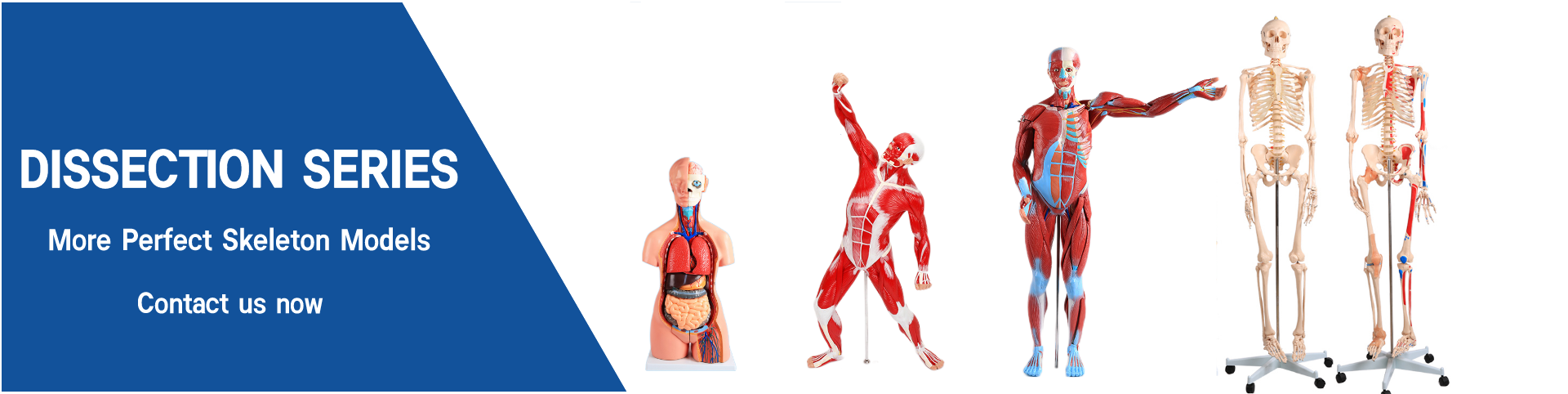
Half body CPR training manikin(Sim....
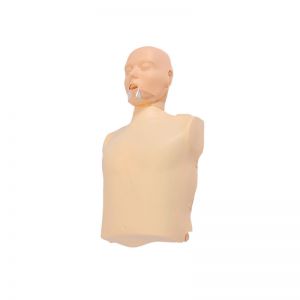
BIX/CPR100A
Advanced fully automatic electroni....
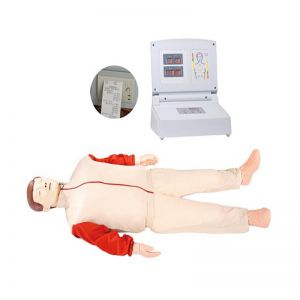
BIX/CPR480
Advanced computer half body CPR ma....
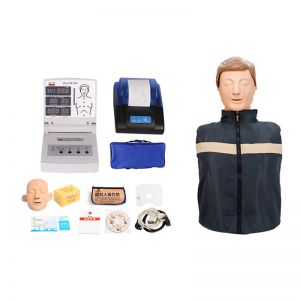
BIX/CPR260
Advanced infant head for trachea i....
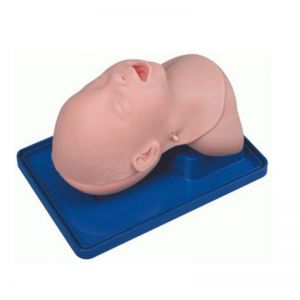
BIX-J3A
Neonate Head for trachea Intubatio....
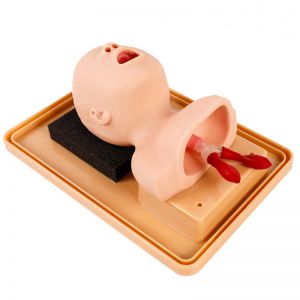
BIX-J2A
Created on:2026-10-12 | bomn
Article tag: BIX-J2A neonatal intubation trainer neonate airway training head intubation skills model
Neonatal airway training head: practise oral and nasal intubation and confirm tube position by watching the lungs and stomach inflate.
...Short answer: The BIX-J2A is a neonatal intubation training head with realistic airway anatomy — tongue, oral cavity, pharynx, larynx, vocal cords and trachea — made in a lifelike material. It supports both oral and nasal intubation, and it lets the trainee verify tube position directly: insufflate air through the tube and watch whether the lungs or the stomach inflate. That single feedback loop is what makes an oesophageal intubation visible in a classroom instead of on a neonatal unit.
Key takeaways
| Skill | How the BIX-J2A supports it |
|---|---|
| Airway anatomy | Identify tongue, oral cavity, pharynx, larynx, vocal cords and trachea |
| Oral intubation | Pass the tube through the oral route and check placement |
| Nasal intubation | Practise the nasal route, which is used in neonatal care |
| Confirming placement | Insufflate and watch lung versus stomach inflation |
| Complication awareness | Discuss oesophageal intubation and its detection |
Neonatal intubation is a high-stakes, low-frequency procedure, and the training gap is documented in the recent literature rather than assumed. A 2026 study in Cureus on just-in-time training for neonatal intubation states plainly that trainee success is substandard and that nearly half of graduating trainees do not achieve the desired competency by the end of residency — a problem the authors expect to worsen as rotation requirements allow fewer intensive-care rotations. Their intervention used structured just-in-time training with a high-fidelity neonatal mannequin, introduced in the clinical environment, and looked at overall intubation success, first-attempt success, number of attempts, time to success and adverse outcomes [1].
There is a structural reason for the gap, and it is not the trainee's fault. A 2026 paper in Pediatric Research on developing a comprehensive educational programme for neonatal endotracheal intubation explains that opportunities to acquire the skill have fallen as non-invasive respiratory support has become more common, and that recent studies report very low rates of successful first-attempt intubation in neonates despite current teaching strategies — which is why the authors argue for new coaching approaches [3].
A second 2026 study in the American Journal of Perinatology makes the same case from a technical angle: it notes that trainees may not achieve procedural competency before completing their programme, and used multi-angle and intraoral video to quantify the technical differences between novice and expert intubators during simulated neonatal intubation [2]. That is the value of a dedicated head model — it converts an invisible skill into something a supervisor can watch, score and correct repeatedly.
For a programme, the practical implication is that repetition cannot wait for a real airway. A head-only trainer such as the BIX-J2A can be bought in multiples, kept on the unit and used for a five-minute deliberate-practice block before a shift, which is exactly the pattern the just-in-time literature describes.
The product page lists the four features reproduced above and handles pricing by inquiry, so email for a quotation. Like the other head models in this line, the BIX-J2A is a training model, not a medical device: it cannot reproduce the full variability of a real neonatal airway, and all clinical technique must follow your current resuscitation guidelines and local protocols.
Q1. What is the BIX-J2A?
A neonatal intubation training head with realistic airway anatomy — tongue, oral cavity, pharynx, larynx, vocal cords and trachea — in a lifelike material.
Q2. Does it support nasal intubation?
Yes, both oral and nasal intubation are supported.
Q3. How does a trainee know the tube is in the right place?
By insufflating air through the tube and observing whether the lungs or the stomach inflate — the model is designed for exactly this check.
Q4. Is it different from the infant J3A model?
Yes. The BIX-J2A is the neonate version; your programme can use both, with the J2A for neonatal practice, so that each skill is trained on the right-sized airway.
Q5. Which courses use it?
Neonatal resuscitation and NICU skills courses, nursing and midwifery programmes, anaesthesia and emergency medicine training.
Q6. How do I get a price?
Email cprwell@adaanatomy.com with the model (BIX-J2A), quantity and destination country. The product page carries no public price, so we quote from the order quantity.
Email cprwell@adaanatomy.com for the BIX-J2A price list and lead time. If you are equipping a resuscitation room, the same line includes infant and electronic airway trainers, plus full-body CPR manikins for neonates and adults — we can quote the airway and CPR stations together.