



Half body CPR training manikin(Sim....
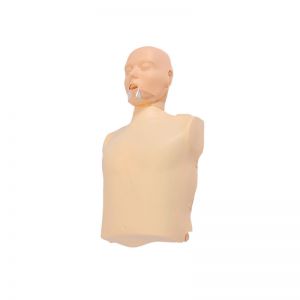
BIX/CPR100A
Advanced fully automatic electroni....
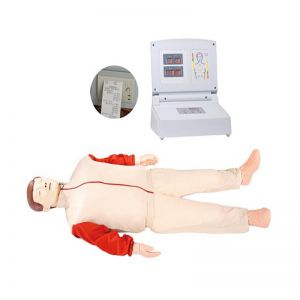
BIX/CPR480
Advanced computer half body CPR ma....
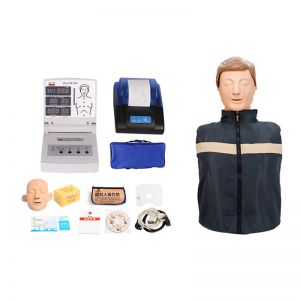
BIX/CPR260
Advanced infant head for trachea i....
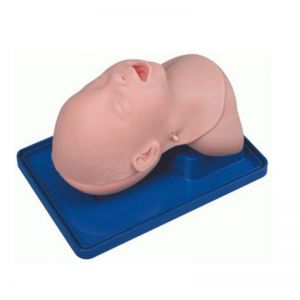
BIX-J3A
Neonate Head for trachea Intubatio....
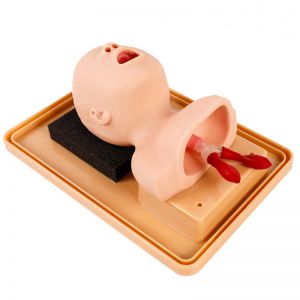
BIX-J2A
Created on:2026-10-13 | bomn
Article tag: BIX-A1046 both sexes torso model 45cm torso model 23 parts male and female anatomy torso fetal model
Twenty-three removable parts in a 45cm torso — thorax, abdomen and both sets of reproductive organs, including a fetal-bearing uterus.
...Short answer: The BIX-A1046 is a 45 cm torso model divided into 23 pieces. The set shows the trunk, a female chest cover, head, eyeball, brain, a piece of spinal nerve, two lungs, a two-part heart, liver, kidney, a two-part stomach, four intestinal pieces, male reproductive organs in two pieces and female reproductive organs with fetuses in three pieces. It is made of PVC and sits on a plastic seat.
Key takeaways
| Structure | Pieces |
|---|---|
| Trunk | 1 |
| Female chest cover | 1 |
| Head | 1 |
| Eyeball | 1 |
| Brain | 1 |
| Spinal nerve | 1 |
| Lungs | 2 |
| Heart | 2 |
| Liver | 1 |
| Kidney | 1 |
| Stomach | 2 |
| Intestine | 4 |
| Male reproductive organs | 2 |
| Female reproductive organs with fetuses | 3 |
| Material and mount | PVC, on a plastic seat |
| Size | 45 cm |
A torso with few removable parts forces students to learn regions. A torso with 23 parts forces them to learn order, adjacency and the consequences of getting it wrong. The second kind supports the questions examiners actually ask — which structures lie anterior to the kidney, what the ureter crosses, why the uterus is described in relation to bladder and rectum.
The evidence base for physical models in anatomy teaching is well established, with meta-analytic work showing measurable learning benefit [1] and controlled comparisons favouring three-dimensional physical models over two-dimensional computer presentations [2]. A randomised study in nursing students also found that managing cognitive load improves anatomy learning — which is the argument for using a 23-part model system by system rather than unpacking it all in one session [3].
The inclusion of a fetal-bearing female reproductive set adds a second discipline. The same model serves anatomy, nursing fundamentals and an introduction to obstetrics, which is unusual for a model in this size and price class.
Q1. What is the BIX-A1046?
It is a 45 cm torso model divided into 23 pieces, showing thoracic, abdominal and reproductive anatomy of both sexes.
Q2. How many pieces does it have?
Twenty-three, including two lungs, a two-part heart, liver, kidney, a two-part stomach, four intestinal pieces, male reproductive organs in two pieces and female reproductive organs with fetuses in three pieces.
Q3. Does it include both male and female organs?
Yes. Male reproductive organs and female reproductive organs with fetuses are both part of the set.
Q4. What is it made of?
PVC, placed on a plastic seat.
Q5. Which courses is it suitable for?
Anatomy and physiology, nursing fundamentals, physical assessment, and introductory obstetrics where the fetal relationship is taught.
Q6. How do I get a price or the packing list?
Email cprwell@adaanatomy.com with the model (BIX-A1046), the quantity you are considering and your destination port; our export team will reply with pricing, lead time and the piece inventory.
Email cprwell@adaanatomy.com for the BIX-A1046 price list and shipping details. If your programme needs a range of torso sizes, the same torso series includes 26 cm, 55 cm and 85 cm models, so a departmental set can be specified in a single order.