


Half body CPR training manikin(Sim....
BIX/CPR100A
Advanced fully automatic electroni....
BIX/CPR480
Advanced computer half body CPR ma....
BIX/CPR260
Advanced infant head for trachea i....
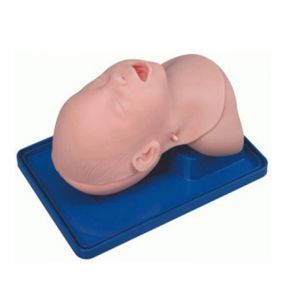
BIX-J3A
Neonate Head for trachea Intubatio....
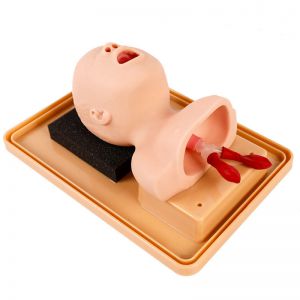
BIX-J2A
Created on:2026-11-02 | bomn
The BIX-FT534 is the closest thing in this catalogue to a paediatric skills lab in one body: airway, IV access, bone marrow aspiration, gastric tube, catheterisation, CPR, defibrillation and ECG on a five-year-old frame. It earns its price if you teach paediatric emergencies and general nursing on the same manikin; it is over-specified if you only run CPR drills. This review separates the features that change teaching from the ones that only fill a brochure.

| Item | Detail |
|---|---|
| Model | BIX-FT534 |
| Patient | Five-year-old child, full function |
| Airway | Realistic mouth, nose, tongue, gums, pharynx, larynx, oesophagus, epiglottis, trachea and tracheal rings |
| Airway skills | Orotracheal intubation, sputum suction, oxygen inhalation, tracheotomy care |
| Vascular access | Arm vein, femoral vein, dorsal foot vein; subcutaneous injection on outer thigh |
| Bone marrow | Tibial puncture with simulated marrow outflow |
| GI and urinary | Gastric tube with abdominal auscultation, gastric lavage, decompression; catheterisation and enema with interchangeable perineum |
| CPR | Mouth-to-mouth, mouth-to-nose and simple respirator ventilation |
| Monitoring | Heart, breath and bowel sound auscultation; defibrillation and pacing with your own real devices; ECG monitoring |
| Eyes | Normal and dilated pupils for contrast observation |
| Power | Battery or mains |
1. Airway anatomy with named landmarks. The model reproduces the mouth, tongue, gums, pharynx, larynx, epiglottis, trachea and tracheal rings, which is what makes orotracheal intubation practice transferable rather than theatrical. Paediatric resuscitation training has a long record of producing poor technique when the manikin is too forgiving — Arshid and colleagues measured CPR quality during paediatric training and found compression and ventilation performance well below guideline targets, precisely because the trainer gave no meaningful feedback [1].
2. Defibrillation and pacing with real devices. The simulator accepts defibrillators and pacemakers from different manufacturers, so teams can train on the equipment they actually stock. A randomised simulation study of AED training found that the physical orientation of the training setup affected hands-on performance, which is an argument for rehearsing on your own hardware rather than a fixed demo unit [2].
3. One body, two curricula. Paediatric emergency and general nursing skills share the same anatomy: gastric tube with auscultation, urinary catheterisation, enema, ileum and rectum care, stoma care, skin and oral care. Buying one manikin for both reduces the capital request and the storage footprint.
For a paediatric simulation programme that needs one durable manikin covering airway, access, CPR and monitoring, the BIX-FT534 is a rational buy. For a course that only teaches basic life support, a simpler CPR manikin will do the same job for less. The dividing line is whether your learning outcomes include invasive skills.
Q1. What age does the simulator represent?
A five-year-old child, in full-body form.
Q2. Can we use our own defibrillator?
Yes. The unit is designed to work with self-provided real defibrillation and pacing devices from different manufacturers; confirm your model with the supplier first.
Q3. Does it support ECG monitoring?
Yes, simulated ECG monitoring using your own monitor.
Q4. Is intubation realistic enough for assessment?
The airway includes the epiglottis, trachea and tracheal rings, so orotracheal intubation can be assessed; whether it is realistic enough for your sign-off depends on your checklist, so request a demonstration.
Q5. What are the running costs?
Airway units, simulated marrow, catheterisation supplies and lubricant. Ask for a per-100-trainee estimate.
Q6. Can we see it working before purchase?
Email cprwell@adaanatomy.com with your device list and cohort size; we will send a demonstration video and a landed-cost quotation.
For the specification sheet, device-compatibility confirmation and a landed-cost quotation: cprwell@adaanatomy.com. Production follows ISO 45001 management practice; CE documentation is available for EU procurement.