


Half body CPR training manikin(Sim....
BIX/CPR100A
Advanced fully automatic electroni....
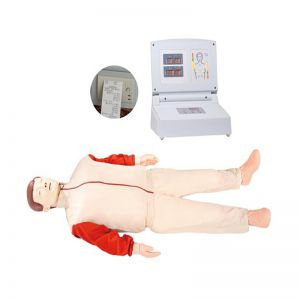
BIX/CPR480
Advanced computer half body CPR ma....
BIX/CPR260
Advanced infant head for trachea i....
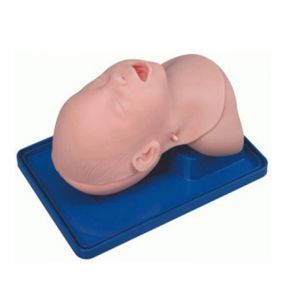
BIX-J3A
Neonate Head for trachea Intubatio....
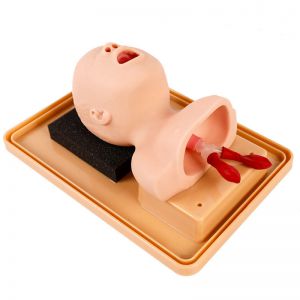
BIX-J2A
Created on:2026-11-04 | bomn
Article tag: automatic CPR simulator BIX/CPR15690 review computer CPR manikin with printout CPR assessment equ
A computer-scored manikin is bought for one reason: evidence. The BIX/CPR15690 is a full-body automatic CPR simulator with an 8-inch colour screen, three operating modes and a printed record of each attempt. It is the top of the electronic-CPR tier — more capable than a light-and-sound torso, less expensive than a full ALS platform — and it is best judged on how well its reports survive a course audit.
| Item | Detail |
|---|---|
| Model | BIX/CPR15690 |
| Type | Automatic computer CPR simulator, full body |
| Display | 8-inch colour screen with CPR animation and bar curves |
| Modes | Training, mode assessment, actual combat assessment |
| Feedback | Airway indicator, compression position and depth, ventilation volume, correct/incorrect counts |
| Prompts | Voice and text, volume adjustable |
| Vitals | Pupils dilate/constrict and carotid pulse returns after successful rescue |
| Rate | 100–120 compressions/min |
| Power | 220 V input, 12 V output; optional lithium battery |
| Extras | RF remote, printout, optional tactile sensors (consciousness and pulse checks) |
| Price | Quoted per order |
| Certification | ISO documentation on request |
The screen reports the variables an instructor would otherwise count by eye: compression depth, compression position, ventilation volume, and the number of correct and incorrect actions. The airway indicator confirms that the head has been positioned to open the airway.
Two details are worth more than the headline features. First, the 8-second failure rule: if no action is taken for eight seconds, the unit reports first-aid failure, which trains trainees out of the pause that kills real resuscitations. Second, the printout turns a practice attempt into a record that can be filed for competency assessment.
Those choices align with the evidence on CPR quality. Depth, rate, recoil and pauses are the modifiable determinants of outcome [2], and current guidelines set adult compression depth at 5–6 cm and rate at 100–120/min [1]. A device that logs those variables gives a course director something to audit, which is the point of buying an automated unit.
Training mode. Prompts and animations stay on. Use it for first exposure and guided correction.
Mode assessment. Prompts are reduced and the unit scores the attempt. Use it mid-course.
Actual combat assessment. Minimal prompting, full scoring and printout. Use it for the final check.
The progression matters: trainees who move to assessment mode too early learn to chase the screen instead of the patient.
Language. The product sheet specifies Chinese voice and text prompts. If your course is taught in English, confirm that an English firmware or voice pack is available; this is the single most common mismatch in exported units.
Power. 220 V input with 12 V output suits many markets, but confirm plug type and whether the lithium battery option is included or extra.
Tactile sensors. Consciousness and pulse discrimination are optional. If your assessment rubric includes "checks responsiveness" and "checks pulse", specify the sensor version.
Consumables. Face shields, lung bags and chest skins wear. Ask for part numbers and a per-100-trainee estimate.
Service. A computerised manikin needs calibration and repair; confirm the regional service path before ordering.
Q1. Does it produce a printed report? Yes. The unit prints the operation process after the attempt, which is the feature that supports competency records.
Q2. Are the voice prompts in English? The product sheet specifies Chinese voice and text prompts. Confirm an English option with the supplier before ordering.
Q3. What is the price and minimum order? Price is quoted per order. Email cprwell@adaanatomy.com with quantity, destination and course type for a current quotation.
Q4. What consumables are required? Face shields or lung bags and replacement chest skins. Request part numbers and a per-100-trainee estimate.
Q5. Can it be used for AED training? No. It has no rhythm generator or defibrillation interface.
Q6. What warranty and service are included? Warranty, calibration and spare-part terms should be confirmed in writing with the quotation.
For a quotation, the language-pack confirmation or a demonstration video: cprwell@adaanatomy.com. Production follows ISO 45001 management practice; CE documentation is available for EU procurement.