



Half body CPR training manikin(Sim....
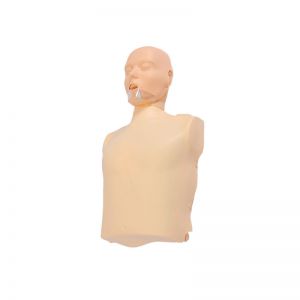
BIX/CPR100A
Advanced fully automatic electroni....
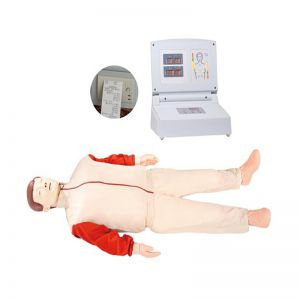
BIX/CPR480
Advanced computer half body CPR ma....
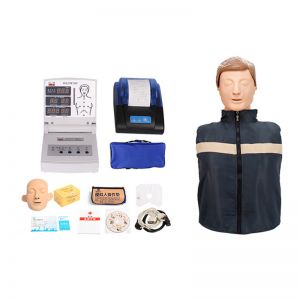
BIX/CPR260
Advanced infant head for trachea i....
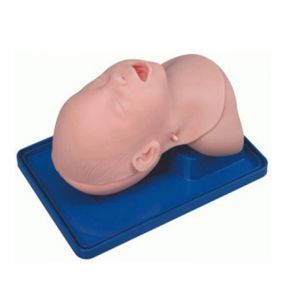
BIX-J3A
Neonate Head for trachea Intubatio....
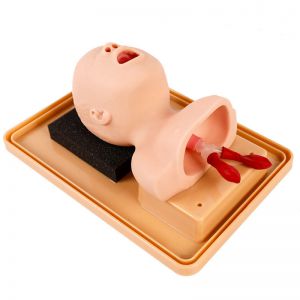
BIX-J2A
Created on:2026-11-10 | bomn
Article tag: BIX-J140 infant choking trainer back blows chest thrusts infant airway obstruction manikin infan
BIX-J140 infant choking trainer: run back-blow and chest-thrust drills correctly, with the sequence, common errors and buying checks.
...Infant choking is the scenario where a panicked rescuer does the wrong thing fast. The BIX-J140 is an infant-sized trainer designed for the two manoeuvres that matter — back blows and chest thrusts — with an airway that can be loaded to simulate obstruction. It is a small, specific product, and its value depends entirely on the drill being run in the right order.
| Item | Detail |
|---|---|
| Model | BIX-J140 |
| Type | Infant airway obstruction training manikin |
| Simulated obstruction | Foreign body blocks the airway for practice |
| Manoeuvres | Back blows (page describes 4–6 strikes between the shoulder blades); two-finger chest thrusts |
| Proportions | Standard infant proportions with an accurate landmark layout |
| Posture | Prone on the forearm for back blows; supine in the forearm for chest thrusts |
| Best use | Paediatric first aid, nursery and childcare staff training, parent education |
| Price | Quoted per order |
Five and five, not one and one. Current paediatric basic life support guidance uses up to five back blows followed by up to five chest thrusts, alternating, with the infant's head lower than the trunk [1]. The product page describes the same technique as 4–6 back blows followed by chest thrusts at the nipple line, which is consistent in practice; follow the guideline number your awarding body assesses.
Head-down position is the mechanism. Gravity assists expulsion, and the head-down position is also what makes the blow land between the scapulae rather than on the neck. A trainer that holds the infant in the correct prone position on the forearm lets the rescuer feel how much support the head needs.
Two fingers, not the whole hand. Chest thrusts on an infant use two fingers on the lower half of the sternum, avoiding the xiphoid. On a full-size manikin this detail is invisible; on an infant-sized trainer the hand has to adapt, which is the point.
0–5 minutes — recognise. Silent cough, inability to cry, cyanosis, distress. Contrast with the infant who is coughing effectively: hands off, encourage coughing.
5–10 minutes — position. Prone along the forearm, head lower than the trunk, jaw supported. Practise the hold without any blows first; the hold is the part that fails under stress.
10–18 minutes — back blows. Five blows between the shoulder blades with the heel of the hand. Then check the mouth for the object — never blind finger-sweep.
18–25 minutes — chest thrusts. Turn the infant supine, keep the head down, two fingers on the lower sternum, five thrusts. Alternate with back blows.
25–30 minutes — unresponsive infant. If the infant becomes unresponsive, start CPR and call for help. The transition from choking to resuscitation is the step most courses skip.
Documentation and quotation. Packing data, certificates and current pricing for the BIX-J140 are available in writing from cprwell@adaanatomy.com before you place the order.
Q1. Does the BIX-J140 simulate a blocked airway? Yes. Foreign-body obstruction is simulated so that back blows and chest thrusts can be practised against a realistic resistance.
Q2. Which manoeuvres can be practised? Back blows between the shoulder blades and two-finger chest thrusts, alternating as in paediatric choking guidance.
Q3. Is it life-size for an infant? Yes. The model uses standard infant proportions with an accurate landmark layout for the sternum and scapulae.
Q4. Can it be used for CPR training? It is a choking trainer. For compression depth, rate and ventilation volume, use a dedicated infant CPR manikin.
Q5. Who should be trained on it? Paediatric first aiders, nursery and childcare staff, parents and foster carers — anyone who may be alone with an infant.
Q6. What is the price and lead time? Quoted per order and dependent on quantity and destination. Ask about airway spares at the same time.
For a quotation on the BIX-J140, airway spares and a class set for childcare training, write to cprwell@adaanatomy.com with your group size and the age group you teach.