



Half body CPR training manikin(Sim....
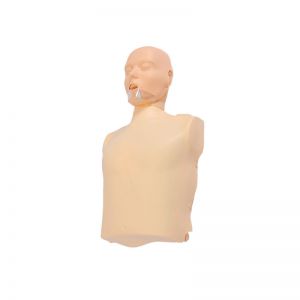
BIX/CPR100A
Advanced fully automatic electroni....
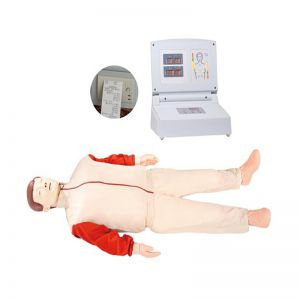
BIX/CPR480
Advanced computer half body CPR ma....
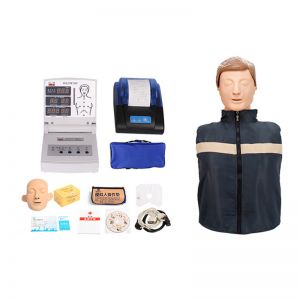
BIX/CPR260
Advanced infant head for trachea i....
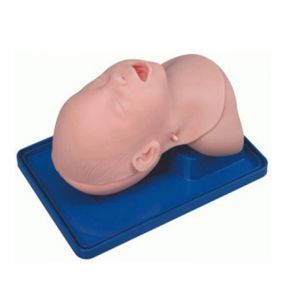
BIX-J3A
Neonate Head for trachea Intubatio....
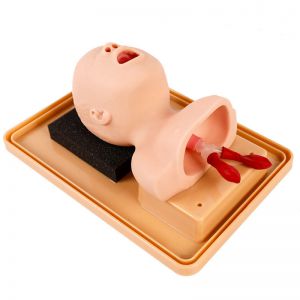
BIX-J2A
Created on:2026-11-11 | bomn
Article tag: BIX-HS18A hand venipuncture training model hand vein injection trainer forearm venipuncture model
BIX-HS18A vs forearm venipuncture trainers: which model to buy first for a nursing lab, what hand access teaches, and how to compare feedback.
...Buy the hand model first if your students will start IVs on the ward; buy the forearm first if your curriculum begins with blood collection. BIX-HS18A is a dedicated hand venipuncture trainer described by the supplier as having imported skin material with visible and palpable veins, a skin that fluctuates as the needle passes, real blood return on correct vessel entry, a working life of hundreds of punctures, and support for IVS and transvenous introduction. This comparison sets it against forearm trainers so a programme can decide which single model to buy when the budget covers one.
| Item | BIX-HS18A (hand) | Forearm venipuncture trainer |
|---|---|---|
| Access site | Dorsum of the hand and metacarpal veins | Antecubital fossa and forearm veins |
| Skin | Imported material, visible and palpable veins | Usually soft multilayer skin |
| Feedback | Skin fluctuation, penetration feel, real blood return | Blood return, varying by model |
| Working life | Hundreds of punctures (as listed) | Typically hundreds, model-dependent |
| IVS / transvenous introduction | Supported (as listed) | Model-dependent |
| Main teaching use | Ward IV insertion, hand veins | Blood collection, antecubital access |
| Transfer risk | Hand veins are smaller and more mobile | Antecubital veins are larger and more fixed |
Small, mobile targets. Hand veins roll, and the dorsum offers less subcutaneous support than the antecubital fossa. That makes the hand the right place to teach stabilisation: anchor the vein with the thumb below the puncture site, enter at a shallow angle, and advance only after flashback. A forearm model forgives a lack of anchoring; a hand model does not.
The commonest ward procedure. Most inpatient IVs are sited in the hand or forearm rather than the antecubital fossa, so a curriculum that only practises antecubital access prepares students for blood collection but not for ward cannulation [1].
IVS and transvenous introduction. The listing states that both IVS and transvenous introduction can be performed, which extends the model beyond a single puncture drill into a short procedure sequence — a useful property when the same model has to serve several sessions.
Larger vessels, clearer first success. Students succeed sooner on a forearm model, which matters in the first hour of a course when confidence is the objective.
Blood collection realism. Antecubital access is the standard site for venepuncture with a vacutainer, so a forearm trainer aligns with phlebotomy technique and with the order of draw [2].
Better for ultrasound practice. If your programme teaches ultrasound-guided access, a straight forearm vessel is the usual starting point; hand models are too small for early ultrasound practice.
Simulation in venipuncture improves performance at the bedside when it is structured and repeated rather than demonstrated once [3]. That finding shapes the purchase more than any material claim: a model used twice per student per term produces less transfer than a cheaper model used ten times. When comparing BIX-HS18A with a forearm alternative, compare the cost per puncture, not the purchase price.
Documentation and quotation. Specification, replacement-part pricing and freight for BIX-HS18A are available from cprwell@adaanatomy.com.
Q1. What does BIX-HS18A simulate? Hand venipuncture and injection, with visible and palpable veins, skin fluctuation on puncture and simulated blood return.
Q2. How many punctures does one skin allow? The supplier describes hundreds of punctures under normal use; ask for the figure in writing and the replacement skin price.
Q3. Can it be used for IVS and transvenous introduction? Yes, both are listed as supported procedures.
Q4. Hand or forearm first for a nursing programme? Hand first if ward cannulation is the priority; forearm first if blood collection is taught before IV insertion.
Q5. What material is the skin? Imported skin material, described as having real visible and palpable veins.
Q6. What is the minimum order? Quoted per order, depending on quantity and destination; request consumable pricing at the same time.
For a quotation on BIX-HS18A with replacement skins priced for a term, write to cprwell@adaanatomy.com with your cohort size and the procedures you assess.