


Half body CPR training manikin(Sim....
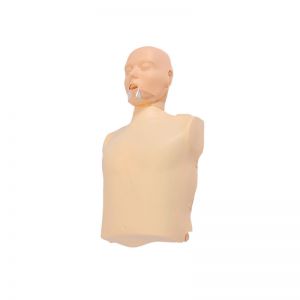
BIX/CPR100A
Advanced fully automatic electroni....
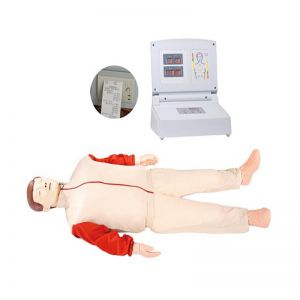
BIX/CPR480
Advanced computer half body CPR ma....
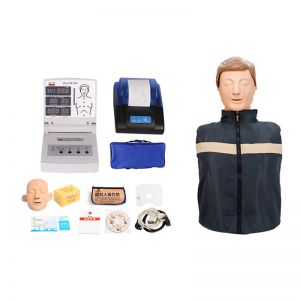
BIX/CPR260
Advanced infant head for trachea i....
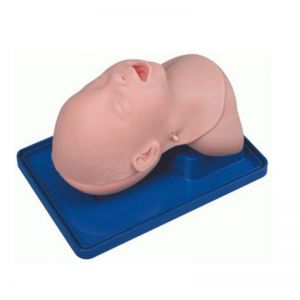
BIX-J3A
Neonate Head for trachea Intubatio....
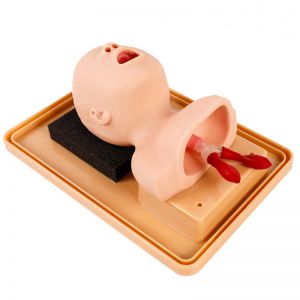
BIX-J2A
Created on:2025-09-05 | bomn
Article tag: Surgical arm suture training model BIX-LF1
The surgical arm suture training model is a professional teaching aid often used in medical education and skills training, mainly simulating the structure of the skin, subcutaneous tissue and muscle layer of the human upper limb. This model is usually made ...
The surgical arm suture training model is a professional teaching aid often used in medical education and skills training, mainly simulating the structure of the skin, subcutaneous tissue and muscle layer of the human upper limb. This model is usually made of polymer materials, featuring strong flexibility and durability, and can be repeatedly cut, sewn and have stitches removed. By using this model, medical students and interns can master the basic steps and techniques of surgical suturing under conditions close to reality, such as the selection of incisions, the correct use of needle holders, the control of the Angle and depth of the suture needle, as well as the application and comparison of different suturing methods.
During the operation, trainees can clearly observe the impact of suturing on tissue tension and gradually establish fine hand-eye coordination, which is of great significance for their future clinical entry. Compared with direct practice on patients, model training not only reduces risks but also provides a safe and repeatable practice platform, enabling learners to continuously improve their operation methods in a stress-free environment. Meanwhile, some high-end models are also designed with multi-layer structures, which can realistically simulate the separation sensation between the skin and muscle layers, further enhancing the realism of training.
Overall, the surgical arm suture training model is not only an important tool for basic skills teaching, but also plays a bridging role in the surgical teaching system, helping students accumulate valuable experience and facilitating a smooth transition to clinical operations.