


Half body CPR training manikin(Sim....
BIX/CPR100A
Advanced fully automatic electroni....
BIX/CPR480
Advanced computer half body CPR ma....
BIX/CPR260
Advanced infant head for trachea i....
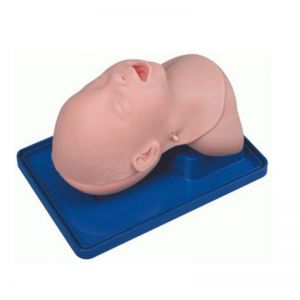
BIX-J3A
Neonate Head for trachea Intubatio....
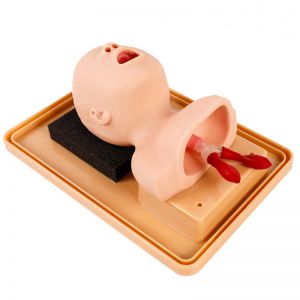
BIX-J2A
Created on:2025-09-08 | bomn
Article tag: Infant tracheal intubation training mode BIX-J3A
The simulation and practice of the infant tracheal intubation training model are mainly used to enhance the airway management ability of trainees in critical care treatment. This model is designed based on the anatomical structure of infants, with the propo...
The simulation and practice of the infant tracheal intubation training model are mainly used to enhance the airway management ability of trainees in critical care treatment. This model is designed based on the anatomical structure of infants, with the proportions of the oral cavity, throat and trachea being extremely realistic. It can truly reproduce the anatomical landmarks and operational difficulties encountered during intubation.
During the drill, the first step should be to open the airway and conduct an assessment, using the head-up chin lifting or chin lifting method. Subsequently, the trainees need to identify the positions of the epiglottis, glottis and vocal cords with the assistance of a direct vision laryngoscope, and smoothly insert the catheter into the trachea. During the intubation process, it is important to avoid damaging the oral and airway mucosa and strictly control the operation time to reduce the risk of hypoxia. After intubation is completed, the catheter should be fixed immediately and pressurized ventilation should be carried out through a balloon. Observe whether the thorax rises and falls and listen to the breathing sounds of both lungs to confirm the position of intubation.
This model can be reused and is equipped with an operation feedback function, which can evaluate the intubation Angle, depth and operation time. Through repeated training, trainees can become familiar with the operation steps and enhance their ability to quickly and accurately establish artificial airways in critical situations of infants.