


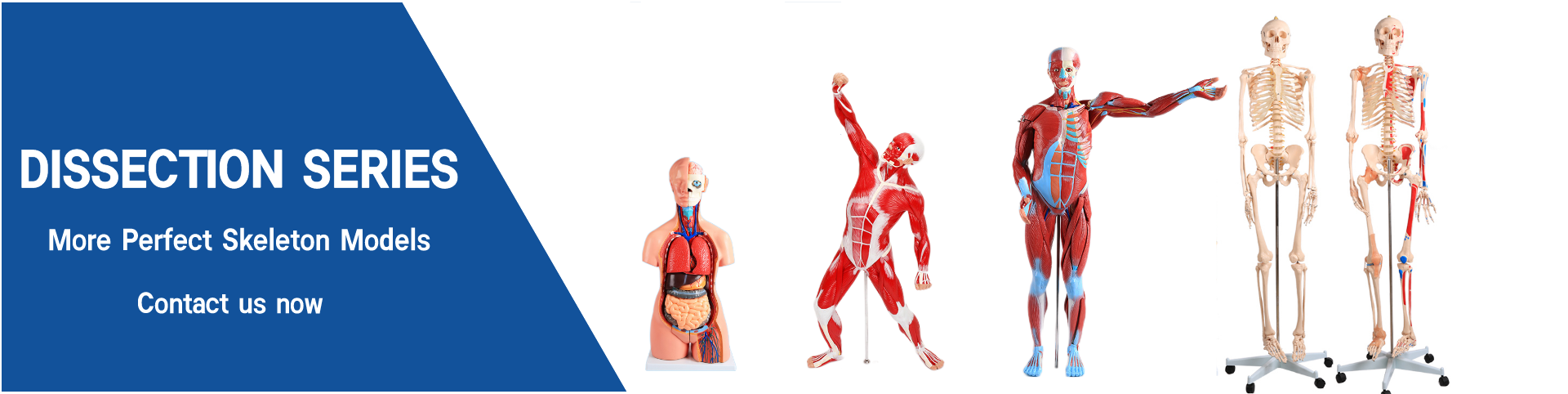
Half body CPR training manikin(Sim....
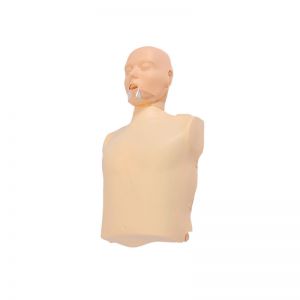
BIX/CPR100A
Advanced fully automatic electroni....
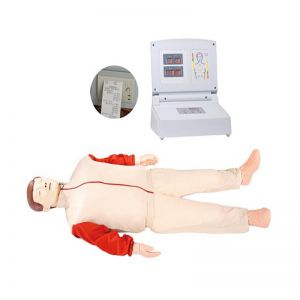
BIX/CPR480
Advanced computer half body CPR ma....
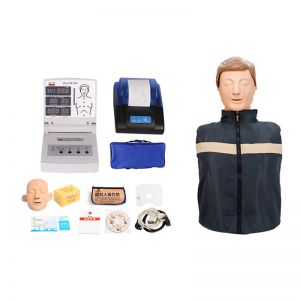
BIX/CPR260
Advanced infant head for trachea i....
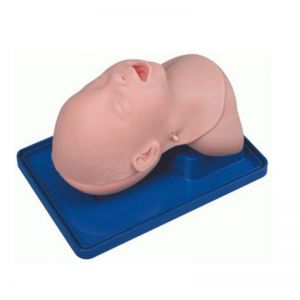
BIX-J3A
Neonate Head for trachea Intubatio....
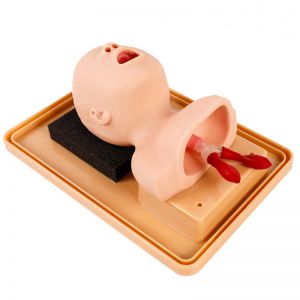
BIX-J2A
Created on:2026-08-31 | bomn
Article tag: Full Body CPR Training Manikin BIX/CPR280 CPR280
A training guide for the BIX/CPR280 full-body CPR training manikin ($441.88) — pulse simulation, LCD digital feedback, compression depth light (5–6 cm green zone), ventilation volume indicator (500/600–1000 ml), error counters with voice prompt, pupil...
Model | BIX/CPR280 — Full Body CPR Training Manikin (Pulse Simulation & LCD Digital Feedback) |
Summary | Full-body CPR manikin with pulse simulation and LCD digital feedback — compression depth light (5–6 cm), ventilation volume indicator, error counters, and pupil exam. For advanced BLS courses. (160 chars) |
Price | USD 441.88 |
Feedback Channels | Compression light + ventilation light + LCD counters + voice prompt |
Assessment Extras | Pupil response (mydriasis/myosis), pulse simulation |
Operation Modes | Exercise / Exam / Custom |
Ratio & Rate | 30:2 (one or two rescuers), 100 compressions/min |
Configuration note: confirm included accessories (practice pads, power supply) with your supplier — cprwell@adaanatomy.com.
High-quality CPR is defined by both compression and ventilation performance. The AHA consensus statement on CPR quality identifies compression depth/rate and ventilation metrics as core quality components that influence resuscitation outcomes (Meaney et al., 2013), and the 2020 AHA guidelines set adult standards at 5–6 cm depth, 100–120/min rate, and 30:2 compression-ventilation ratio (Panchal et al., 2020).
Most entry-level manikins only flag compression depth. The CPR280 closes the gap with parallel feedback on ventilation — a volume light showing the 500/600–1000 ml tidal-volume zone, correct/wrong counters for both skills, and voice prompts that state the reason for an error. Trainees cannot graduate from this manikin with perfect compressions and unnoticed over-ventilation — the exact failure mode that reduces survival benefit in real arrests.
Feature | Specification | Training Value |
Compression light | Green 5–6 cm; yellow < 5 cm; red > 6 cm | Instant depth calibration |
Ventilation light | Green 500/600–1000 ml; red/yellow outside | Tidal-volume control — prevents over/under-ventilation |
Digital counters | Correct & wrong counts (both skills) | Objective progress tracking |
Voice prompt | States reason for wrong operation; volume control | Guided self-correction |
Pulse simulation | Trained pulse check | Assessment step practice (check pulse before CPR) |
Pupil response | Mydriasis / myosis display | Neurological assessment training |
Operation modes | Exercise / Exam / Custom | Scaffolding from practice to testing |
Ratio & rate | 30:2; 100 compressions/min | AHA-aligned rhythm training |
1. Hand position on the compression zone; compress to the green 5–6 cm zone.
2. Maintain 100/min rhythm using the 30:2 cycle timer.
3. Watch counters: track correct vs wrong; voice prompt explains each error.
1. Open the airway (standard airway simulation).
2. Ventilate to the green zone (500/600–1000 ml) — avoid the red over-ventilation zone.
3. Observe the ventilation counter and correct technique based on the prompt.
1. Run five 30:2 cycles (one operating cycle).
2. Solo mode: perform both roles. Team mode: switch rescuer every cycle.
3. Target: correct counters ≥ 90% across the cycle.
1. Check the simulated pulse before starting compressions (correct assessment order).
2. Examine pupil response (mydriasis/myosis) and state its clinical meaning.
Run the built-in exam mode: timed, scored, with recorded errors. Pass standard: depth and ventilation in the green zones, correct/error ratio ≥ 90%, 30:2 sequence correct.
Criterion | Standard |
Compression depth | In 5–6 cm zone (green) |
Compression rate | ~100/min within 30:2 rhythm |
Ventilation volume | 500/600–1000 ml (green) |
30:2 sequence | Correct order across 5 cycles |
Pulse check | Performed before CPR, correctly timed |
Correct/wrong ratio | ≥ 90% in exam mode |
Refresher note: skills degrade within months — BLS passing rates fell from 63% at 3 months to 58% at 12 months in a nurse cohort (Smith et al., 2008). Schedule exam-mode refreshers every 3 months (Bhanji et al., 2015).
Item | Frequency | Notes |
Cleaning | After each class | Mild soap and damp cloth; no solvents |
Airway & lung system | Monthly | Check ventilation paths and one-way valves |
Electronics | Per manual | Check LCD, lights, and voice functions before classes |
Consumables | On request | Spare parts list at cprwell@adaanatomy.com |
Q1: What is the difference between CPR280 and CPR230? A: CPR230 is a half-body model with compression-depth feedback ( 441.88) with pulse simulation, LCD feedback, ventilation volume indicator (500/600–1000 ml), correct/wrong counters, voice prompts, pupil response exam, and exercise/exam/custom modes — a complete single-student BLS assessment platform.
Q2: Why does ventilation feedback matter? A: Over-ventilation is a real clinical failure — excessive tidal volume and rate reduce venous return and survival benefit. Training the 500/600–1000 ml green zone builds correct technique (Meaney et al., 2013).
Q3: What does the pupil response exam train? A: Mydriasis/myosis assessment supports neurological evaluation during resuscitation scenarios — a component entry-level CPR manikins cannot teach.
Q4: Does the manikin support both solo and two-rescuer CPR? A: Yes — the 30:2 ratio supports one- or two-rescuer operation, and team mode can switch rescuers between cycles.
Q5: What is the exam mode? A: A built-in timed, scored mode with recorded errors and counters, suitable for objective skill assessment and refresher tracking.
Q6: What is the MOQ and delivery time? A: MOQ is 1 unit. Air freight: 7–10 business days; sea freight for larger orders: 30–45 days. Email cprwell@adaanatomy.com for a quote.
Cardiopulmonary Resuscitation Quality: Improving Cardiac Resuscitation Outcomes Both Inside and Outside the Hospital — AHA Consensus Statement — Meaney et al. (2013), Circulation 128(4):417–435
Part 3: Adult Basic and Advanced Life Support: 2020 American Heart Association Guidelines for CPR and ECC — Panchal et al. (2020), Circulation 142(16 Suppl 2):S366–S468
Evaluation of Staff's Retention of ACLS and BLS Skills — Smith et al. (2008), Resuscitation 78(1):59–65
2015 AHA Guidelines Update for CPR and Emergency Cardiovascular Care — Education — Bhanji et al. (2015), Circulation 132(18 Suppl 2):S561–S573
Technology-Enhanced Simulation for Health Professions Education: A Systematic Review and Meta-analysis — Cook et al. (2011), JAMA 306(9):978–988