


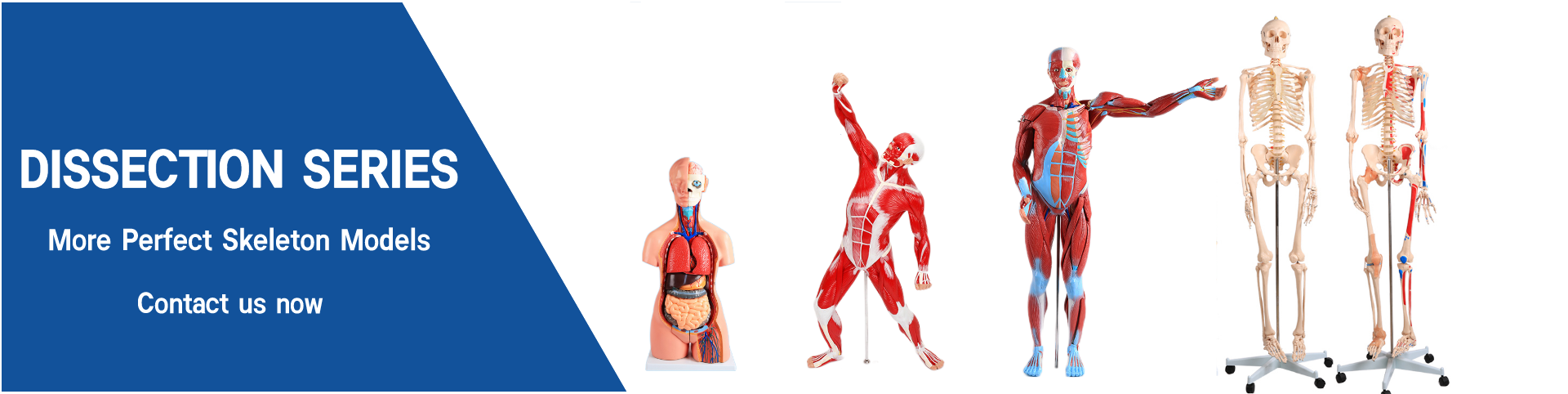
Half body CPR training manikin(Sim....
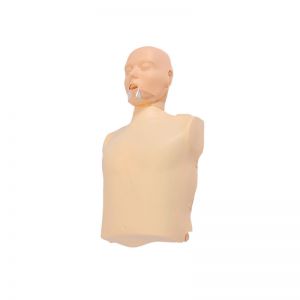
BIX/CPR100A
Advanced fully automatic electroni....
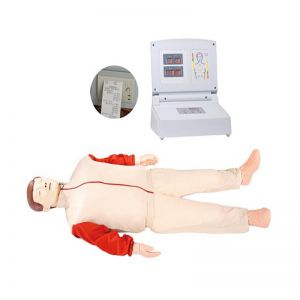
BIX/CPR480
Advanced computer half body CPR ma....
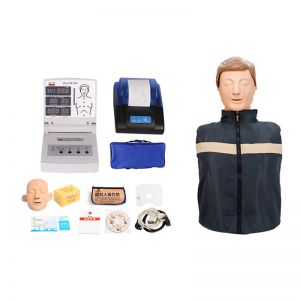
BIX/CPR260
Advanced infant head for trachea i....
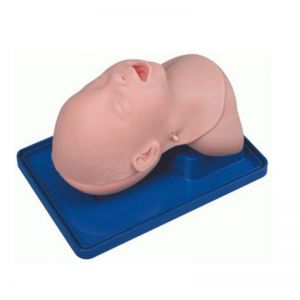
BIX-J3A
Neonate Head for trachea Intubatio....
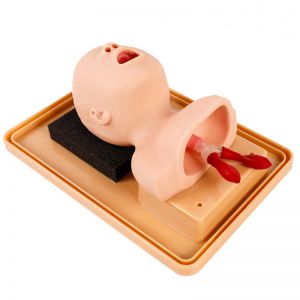
BIX-J2A
Created on:2026-09-09 | bomn
Article tag: Senior Surgical Leg Suture Training Model BIX-LF2 LF2
BIX-LF2 surgical leg suture training model: lifelike elastic skin, repeatable suturing hundreds of times, pre-cut wounds with simulated red muscle. Proficiency-based suturing practice significantly improves senior medical students' skills and retention ...
Model | BIX-LF2 — Senior Surgical Leg Suture Training Model |
Summary | Surgical leg suture trainer: lifelike elastic skin, repeatable practice, pre-cut wounds with simulated red muscle for cutting, suturing and dressing. (149 chars) |
Type | Leg-form surgical skills trainer (wound closure & suturing practice) |
Skin | Lifelike, soft, elastic; repeated suturing does not tear the skin |
Durability | Each model supports hundreds of practice cycles |
Wounds | Several pre-cut wounds exposing simulated red muscle tissue; extra sites can be cut by the trainee |
Practice Scope | Cutting, suturing, stitching closure, dressings, other basic surgical skills |
Accessories | Incision & suture instruments, suture needles and thread |
Category | Clinical Medicine Models (L-series surgical skills) |
Price | On request |
Audience | Medical students, surgical residents, nursing & paramedic schools, skills labs, surgical boot camps |
Educational-use note: suture-skills training model — educational equipment, not a medical device or a pharmaceutical product and contains no medicinal ingredients (manufacturer's page notice). Confirm included accessory kit and replacement-pad availability with the specification sheet.
Suturing and knot-tying are among the most basic — and most used — clinical skills, yet graduating students often lack them. Surgical boot camps exist precisely because of this documented skill gap (BMC Med Educ, 2025). The remedy is not more lectures; it is structured, repeated practice. In a prospective randomized trial, fourth-year medical students who completed a proficiency-based suturing curriculum were significantly faster and more technically proficient seven months later than untrained peers — performing at the level of first-year residents (Surgery, 2013).
Practice needs a medium. Real tissue is unavailable to beginners; the LF2 supplies a purpose-built alternative: a lifelike leg form whose elastic skin can be cut, sutured and re-sutured hundreds of times without tearing, with pre-cut wounds exposing simulated red muscle so trainees learn to close layered tissue, not just a surface line. Because the skin accepts new incisions, an instructor can reset tasks for each trainee — unlimited deliberate practice at near-zero marginal cost.
Evidence | Finding | Why It Matters Here |
Surgery 2013 (prospective RCT) | Proficiency-based suturing curriculum: at 7 months, trained MS4 students faster (549 vs 719 s, P<.01) and more proficient (3.3 vs 2.1, P<.001) than controls, at PGY-1 level | Structured practice on a trainer measurably builds skill |
BMC Med Educ 2025 | Surgical boot camps address a documented basic-skills gap using simulation stations | Skills-lab trainers (like the LF2) are core station equipment |
Feedback & suturing study (2008) | Knowledge of results (feedback) is necessary for learning to suture effectively | Instructor-guided sessions on the LF2 maximize learning |
Cook et al., 2011 (JAMA meta-analysis) | Simulation-based health-professions education produces large learning gains | Justifies investing in hands-on simulation trainers |
Feature | Benefit |
Lifelike leg form, realistic touch | Trainees practice anatomy-appropriate wound closure, not flat pads |
Soft, elastic, tear-resistant skin | Hundreds of practice cycles per model — low cost per trainee |
Several pre-cut wounds with simulated red muscle | Learn correct layered closure and needle angles on realistic defects |
Additional sites can be cut by the trainee | New tasks on demand; skills can be reassessed after healing |
Supplied incision & suture instruments, needles and thread | Ready-to-use training station, no separate purchase |
Instrument handling
1. — needle holder, forceps, scissors grip.
Simple interrupted suture
2. on a pre-cut wound.
Continuous/running suture
3. and buried knots.
Wound-edge management
4. — eversion, spacing, tension control.
Dressing application
5. after closure.
Self-made incision practice
6. — instructor assigns new cuts for advanced closure (vertical mattress, subcuticular).
Model | Focus |
BIX-LF2 | Open wound closure: cutting, suturing, dressings (this guide) |
BIX-LQ7 | Pneumothorax treatment practice |
BIX-L67A / L67B | Peripheral puncture training (adult/neonate versions) |
BIX-L68A / L68B | Central-vein puncture training |
Buying logic: the LF2 covers the foundational open-surgical skill station; partner it with puncture trainers (L67/L68) for a complete basic surgical-technique suite in one lab.
Station | Time | Activity |
A. Skill acquisition | 30 min | Instructor demo, then guided interrupted sutures with feedback |
B. Independent practice | 30 min | Students complete assigned closures; instructor gives result feedback |
C. Boot-camp circuit | 45 min | LF2 station among rotation stations (incision, closure, dressing) |
D. Assessment | 10 min/student | Timed wound closure scored on a checklist; progress logged |
Criterion | Standard |
Correct instrument handling | No resterilizing errors |
Needle angle & bite spacing | Even bites, perpendicular entry |
Edge eversion | Wound edges meet, no inversion |
Knot security | Knots square and snug, not tissue-crushing |
Time per simple closure | Improves across sessions (log trend) |
Item | Frequency | Notes |
Skin surface | After each session | Clean with standard disinfectant |
Used pads | When heavily cut | Replace model/pad for consistent resistance |
Instruments | Per use | Sterilize or wipe per lab protocol |
Storage | Always | Keep away from direct heat/sunlight to preserve elasticity |
Q1: What exactly is the BIX-LF2? A: A senior surgical leg suture training model — a lifelike leg form with elastic, tear-resistant skin for practicing cutting, suturing, wound closure and dressings, plus several pre-cut wounds exposing simulated red muscle.
Q2: How many times can it be reused? A: The manufacturer rates the skin for hundreds of practice cycles; suturing tension does not tear it, and new "wounds" can be cut for fresh tasks. Exact longevity depends on needle type and technique.
Q3: What is included in the package? A: The model, incision and suture instruments, suture needles and thread. Confirm the full accessory list and replacement options with the specification sheet before ordering.
Q4: Who is it for? A: Medical students, surgical residents, nursing and paramedic schools, and hospital skills labs — anyone learning basic surgical technique before touching real tissue.
Q5: What is the MOQ and price? A: Price is on request. MOQ is 1 unit. Email cprwell@adaanatomy.com. for the current quotation and specification sheet.
Q6: Is instructor feedback needed during practice? A: Evidence shows feedback (knowledge of results) is necessary for effective suture learning, so sessions should be supervised or followed by instructor review of each closure.
Retention of Suturing and Knot-Tying Skills in Senior Medical Students After Proficiency-Based Training: Results of a Prospective, Randomized Trial (2013), Surgery
Design and Evaluation of a Surgical Boot Camp: A Step-by-Step Guide to Curriculum Development and Impact Assessment — Galvaing et al. (2025), BMC Med Educ 25(1):874
How Much Feedback Is Necessary for Learning to Suture? (2008)
Technology-Enhanced Simulation for Health Professions Education: A Systematic Review and Meta-Analysis — Cook et al. (2011), JAMA 306(9):978–988