


2024-12
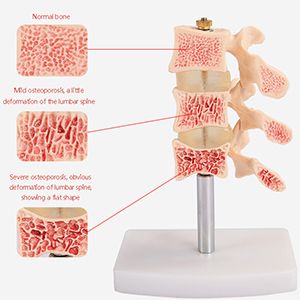
Although typical spinal lesion models show significant advantages in teaching, it is still necessary to combine virtual reality (VR) technology in the future to further improve the simulation effect. This will help
2024-12
In short, the electronic knotting training model is not only a powerful supplement to the traditional surgical training, but also will greatly improve the skill level of the trainees and promote the quality of surgical training in the whole surgical field. For students, this model is undoubtedly an indispensable learning tool, and for teaching institutions, it is the key to improve the teaching effect and training efficiency.
2024-12
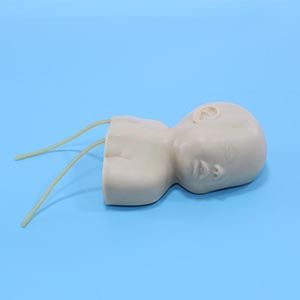
The unilateral infant head venipunction training model not only helps the medical staff improve their skills, but also reduces the risk to the baby in the real operation. Through this scientific simulation training, doctors and nurses are better able to respond to emergencies and keep babies safe. Therefore, with the continuous progress of medical training technology, the importance of training model in medical education will become more and more prominent.
2024-12
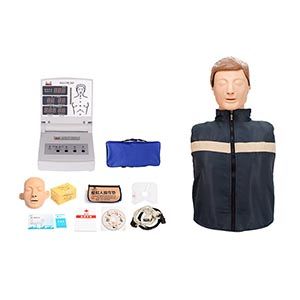
As the market demand continues to grow and the technology continues to iterate, we have reason to believe that this device will play a more important role in the future of emergency education, helping countless medical personnel to fight for the golden time of life for patients.

2024-12
Therefore, the bovine acupuncture model is undoubtedly an indispensable and important tool in veterinary acupuncture education, which will help future veterinarians to deal with complex clinical situations more efficiently and accurately, and ultimately provide better treatment options for the health and welfare of cattle.
2024-12
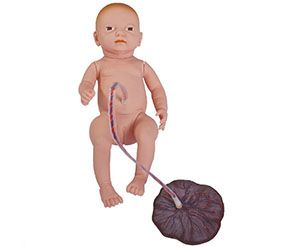
Neonatal umbilical cord care model, as an advanced educational tool, provides a highly simulated training platform for caregivers. By simulating real clinical scenarios, caregivers are able to practice repeatedly in the model, enhance emergency response capabilities, and are able to quickly master key skills in umbilical cord care. As the case study shows, the model can not only help the nursing staff to complete the operation more accurately, but also effectively improve their resilience in the face of emergencies. In the future, with the application of the model in more hospitals and training institutions, it is expected that the quality of neonatal care and the emergency handling capacity of nursing staff will be significantly improved.
2024-12
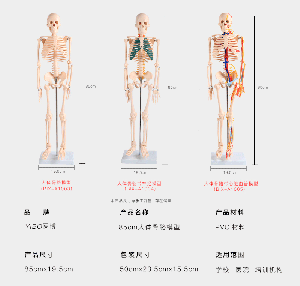
In the face of a rapidly changing healthcare market, educational institutions and training centers should focus on the continued use of human skeletal models and explore ways to combine them with other technological means to provide a more efficient and comprehensive learning experience. This can not only meet the needs of contemporary students, but also train more skilled talents for the medical industry.
2024-12
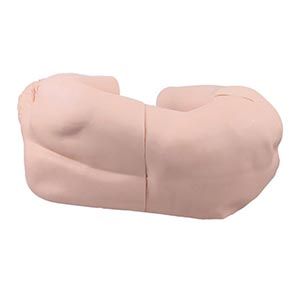
The students' successful transition from simulated operation to clinical practice is precisely the teaching significance of the lumbar puncture training model.
2024-12
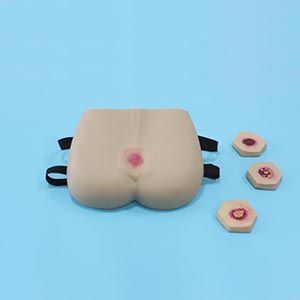
By providing comprehensive simulation training, the stage bedsore care model helps nurses to deeply understand the characteristics and nursing methods of different stages of bedsore, so as to reduce errors in clinical care. The data showed that the nurses trained by the model had significant improvement in judgment accuracy, nursing skills and plan adjustment. This enables nursing staff to prevent nursing errors more effectively in practice and improve patient outcomes and quality of life.
2024-12
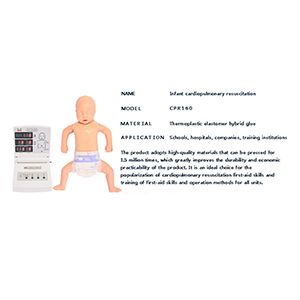
Cardiopulmonary Resuscitation (CPR) is a vital part of medical emergency. Infant cardiopulmonary resuscitation is not only a technology, but also a life-related skill. Driven by both technological innovation and demand, the industry is moving towards more efficient training models. From theory to practice, from tradition to intelligence, the development of infant cardiopulmonary resuscitation training in the future will continue to promote the overall level of medical emergency and bring hope to more new lives. This paper will discuss the challenges and needs of infant cardiopulmonary resuscitation training by analyzing the data and current situation.
2024-12
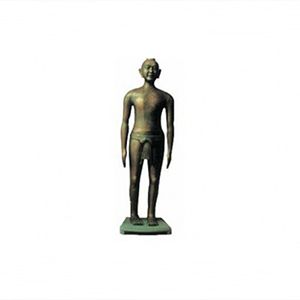
As an important historical heritage of traditional Chinese acupuncture and moxibustion, bronze figures of ancient acupuncture and moxibustion not only carry the wisdom and skills of ancient medical scientists, but also play an important role in the inheritance and development of acupuncture and moxibustion technology. Whether the bronze figure of antique acupuncture can continue to lead the acupuncture technology, we can discuss from the following aspects:
2024-11
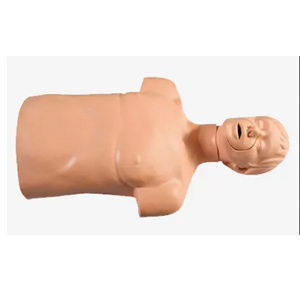
To sum up, the whole body cardiopulmonary resuscitation simulator plays a crucial role in medical training, which is not only a key tool to improve medical personnel's first-aid skills, but also an important guarantee to promote medical education innovation and ensure patient safety.