


2025-02
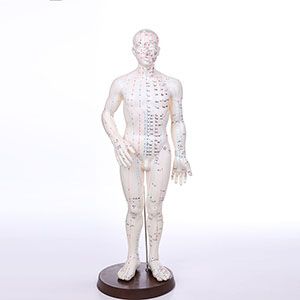
Overall, the market demand for standard acupuncture point models is rising, especially in the fields of medical education, acupuncture training, rehabilitation treatment, and its application value is getting higher and higher. Driven by the internationalization of TCM and scientific and technological innovation, this market still has great growth potential in the future.
2025-02
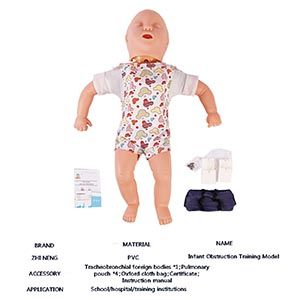
The airway infarction and CPR model not only helps medical students move from theory to practice, but also significantly improves their skills, especially their ability to respond to emergency situations under stress. This type of training is essential to the development of first aid skills and may become an essential tool in first aid training in the future.
2025-02
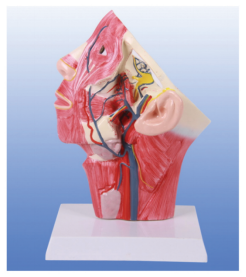
In general, by providing a 3D operable training platform, the cephalic and facial vein model can help students to master complex vein distribution faster and more effectively, thereby improving the accuracy and success rate of clinical operations. Through practical practice, students are able to convert theoretical knowledge into practical skills, shortening the transition from learning to practice. Data and practical experience also show that model training can significantly improve the clinical judgment ability and self-confidence of students, making them more professional in the face of real patients. Therefore, cephalic and facial vein model is undoubtedly an important tool for beginners to master venipentesis skills and improve clinical operation ability.
2025-02
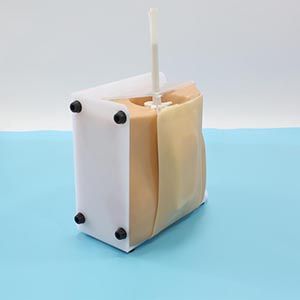
In summary, the spinal tap model helps medical students reduce errors in clinical operations and improve operational skills and safety by providing an accurate simulation environment and data feedback. This training method not only improves the technical level of students, but also provides a solid foundation for clinical practice.
2025-02
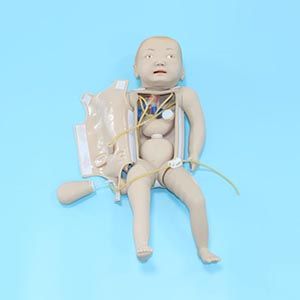
Infant care model is outstanding in helping medical staff master basic nursing skills, but it still faces certain challenges to fully meet the needs of precision medicine. With the rise of personalized medicine and precision care, future infant care models are expected to incorporate more individualized elements and improve their application value in real clinical practice.
2025-02
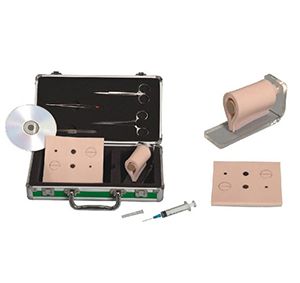
The local anesthesia Training Kit significantly improves the clinical performance of medical students by providing a safe and effective training environment. Whether it is the mastery of basic skills or the refinement of advanced skills, the training toolbox plays an important role. Combined with the recognition of industry experts and the support of relevant data, the local anesthesiology training toolbox not only accelerates the skills acquisition of students, but also trains more high-level professionals for the medical industry.
2025-02
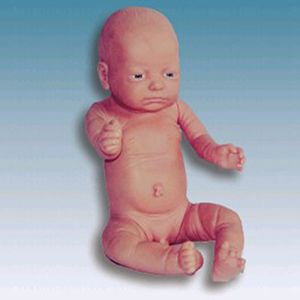
The application of the newborn baby model not only makes neonatal nursing education more vivid and interactive, but also significantly improves the clinical skills and emergency response ability of neonatal nursing staff. With the continuous development of simulation technology, the newborn baby model will play an increasingly important role in the future neonatal care, promoting the improvement of the overall quality of care, and ensuring the health and safety of newborns.
2025-02
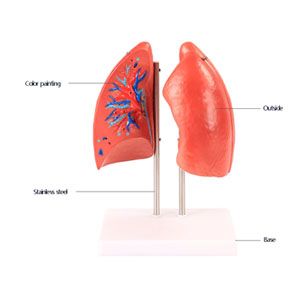
In general, as an important tool in medical education, with its intuitive and interactive nature, the model of lung anatomy not only helps students gain a deeper understanding of the lung structure, but also enhances their understanding of lung diseases. In addition, it also plays an important role in clinical applications, assisting doctors to make more accurate diagnosis and treatment. As medical technology continues to advance, lung anatomical models will continue to play an important role in medical education and clinical practice.
2025-01
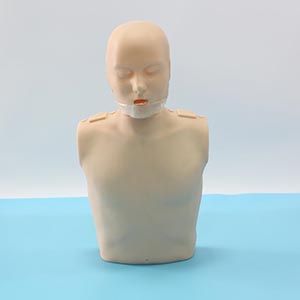
Simple half-body cardiopulmonary resuscitation model, as an efficient first aid training tool, can not only help students quickly master cardiopulmonary resuscitation skills, but also provide valuable practical experience for students. Whether it is medical students, emergency personnel, or ordinary people, through repeated simulation training, they can improve their first aid response ability and skill level in a short time. The recommendation of industry experts and the support of data prove the effectiveness of this model, which is becoming an important assistant for first aid skills learning.
2025-01
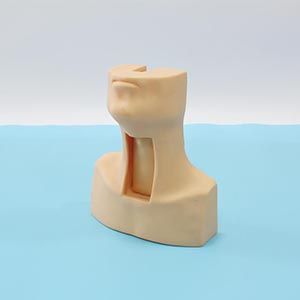
The advanced adult tracheotomy nursing model significantly improved the emergency response ability of nursing staff. It simulates emergency care scenarios to help trainees practice how to respond quickly to common emergencies after tracheotomy, providing a risk-free environment to accumulate emergency experience. Through standardized operating procedures, expert guidance and data feedback, the teaching model helps caregivers continuously optimize their emergency handling skills, thereby improving the overall quality of care. Tracheotomy nursing model plays an important role in personal growth, skill improvement and industry development of nursing staff.

2025-01
As an innovative teaching tool in medical education, the skin local infiltration anesthesia training module helps medical students to better master anesthesia skills and significantly shorten the learning curve. Through repeated simulation training, students are able to practice in a safe environment, improve operational accuracy and reduce errors, so that they can more confidently cope with real clinical anesthesia operations. Data support shows that simulation training can not only improve the success rate of operation, but also shorten the transition time of doctors from theory to practice, providing a strong guarantee for future clinical operations. With the innovation of education model and the continuous development of training technology, the training module of skin local infiltration anesthesia will undoubtedly play an increasingly important role in medical education.
2025-01
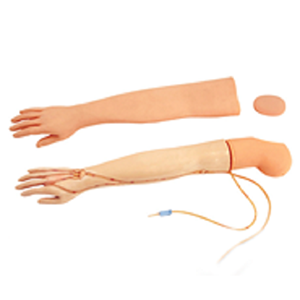
The venipuncture infusion arm model undoubtedly provides an effective tool to relieve the pressure of clinical operation. By simulating real situations and providing necessary operational feedback, students can not only make technical progress, but also build psychological confidence and lay a solid foundation for future clinical practice. Therefore, it can be said that this model is one of the key tools to overcome the psychological tension of puncture operation.