


2025-09
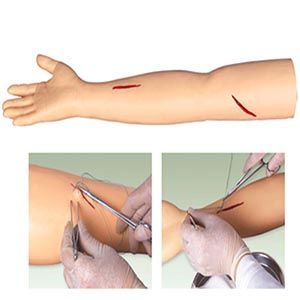
The surgical arm suture training model is a professional teaching aid often used in medical education and skills training, mainly simulating the structure of the skin, subcutaneous tissue and muscle layer of the human upper limb. This model is usually made of polymer materials, featuring strong flexibility and durability, and can be repeatedly cut, sewn and have stitches removed.

2025-09
Sixth, loosen the tourniquet, check for fluid flow, and then fix it properly. During the operation, it is required that the movements be gentle, steady and standardized to avoid repeated punctures that may cause damage to the model. Finally, organize the items and clean the model. Through training, trainees can master the steps and key points of venipuncture proficiently and improve their clinical skills.
2025-09
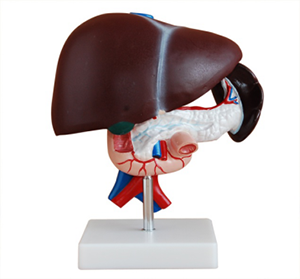
The hepatopancre-duodenal model is not only an anatomical display carrier, but also an important bridge between medical theory and clinical practice. It transforms complex anatomical and physiological knowledge into visible, tangible and understandable morphological manifestations, greatly enhancing the efficiency of learning and communication.

2025-09
The multi-functional tracheal management model is an important tool for emergency rescue and clinical training, and is widely used in the learning and simulation of respiratory tract management techniques. It integrates multiple functions such as tracheal intubation, airway management, and respiratory monitoring, helping medical staff master how to handle patients' airways in emergency situations, especially in cases of respiratory failure and airway obstruction.
2025-09
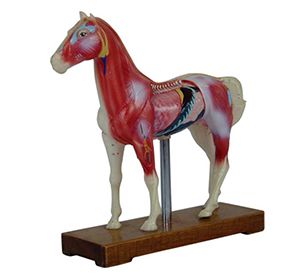
The horse body acupuncture model is a teaching tool specially designed for veterinary acupuncture teaching and clinical training. It is made according to the real scale of the horse, with a realistic shape, and can clearly display the distribution of the horse's meridians and the locations of the main acupoints.

2025-08
The full-function advanced infant simulation manikin not only enhances the practical operation skills of the trainees, but also strengthens their understanding of the assessment of infant vital signs and emergency handling, providing valuable simulation experience for future clinical work. At the same time, it reduces the risks of real clinical operations and improves the quality of nursing and first aid.
2025-08
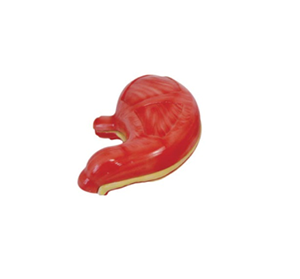
The gastric anatomy model is a highly realistic teaching tool used in medical education and clinical training, aiming to help learners intuitively understand the anatomical structure, shape and function of the stomach. This model is made to the true scale of an adult stomach. Both its surface and internal structure have been finely carved and marked, clearly showing key anatomical sites such as the stomach body, fundus, pylorus, cardia, as well as the lesser and greater curvons of the stomach.
2025-08
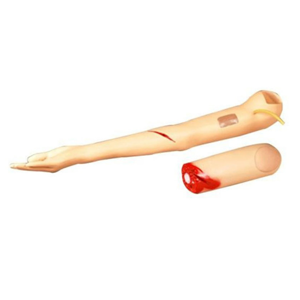
The bleeding control arm model is a professional device used in emergency rescue and clinical skills training. It is mainly used to simulate different bleeding conditions after upper limb trauma, helping trainees master hemostasis methods and rescue procedures.
2025-08
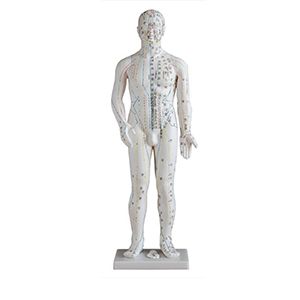
In conclusion, the principle of the standard acupuncture model is to transform the traditional meridian theory into visible, touchable and operable teaching tools through highly realistic and intuitive means. This not only makes up for the limitations of paper textbooks, but also enhances the scientificity and practicality of acupuncture teaching and clinical training.
2025-08
The operation norms of the advanced infant comprehensive first aid training manikin are designed to help trainees master the first aid skills for newborns and infants, ensuring that the training is scientific, safe and effective. Before operation, it is necessary to check that the simulation maniac is in good condition as a whole, confirm that the airway is unobstructed, the power supply is sufficient and all physiological feedback functions are normal.
2025-08
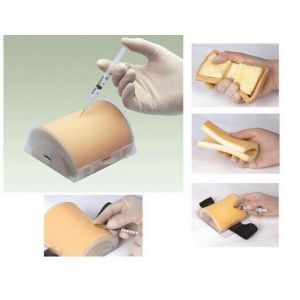
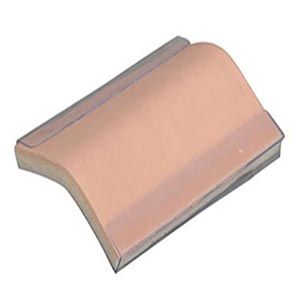
The suture practice module is not only applicable to the teaching of basic courses in medical colleges and universities, but also widely used in the training of surgical residents, skills assessment and preoperative practice. Through systematic simulation exercises, learners can transform their suturing skills into operational clinical abilities on the basis of theoretical learning, laying a solid foundation for future surgical operations and clinical practice.
2025-08
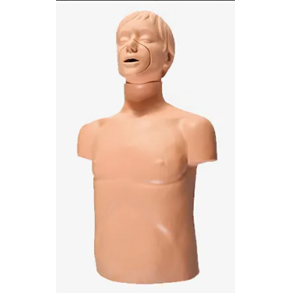
After the training is completed, the mouth and chest area should be cleaned and necessary maintenance should be carried out to extend the service life of the model. Through systematic training in advanced adult airway infarction and CPR models, trainees can master the first aid operation procedures proficiently, improve their clinical emergency handling capabilities and the success rate of actual rescue.