



2025-10
The dog body acupuncture model is mainly applied in veterinary teaching, animal rehabilitation training and clinical skills training, and it is an important tool for learning and mastering canine acupuncture techniques.
2025-10
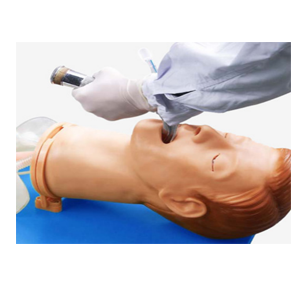
The multi-functional airway management model is a comprehensive teaching device integrating the training of multiple respiratory tract operations, and is widely used in fields such as anesthesia, emergency medicine, critical care medicine, and nursing training.
2025-10
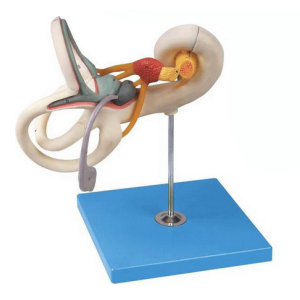
The inner ear labyrinth magnification model is a highly realistic teaching model specially designed for otolaryngology and audiology teaching, mainly used to demonstrate the structure and functional mechanism of the inner ear. This model enables learners to visually observe the complex spatial layout of the inner ear and the anatomical relationships among its various parts by magnifying the labyrinthal structure, including key areas such as the vestibule, semicircular canals, cochlea and vestibular nerve.
2025-10
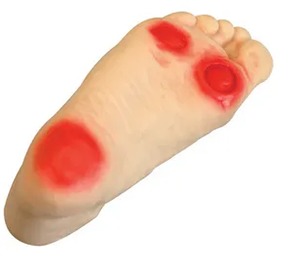
The diabetic foot care model is a highly realistic teaching device specially designed for foot care training of diabetic patients. It can truly simulate common pathological changes of diabetic foot, such as ulcers, infections, edema, necrosis and vascular lesions, etc. This model is made of flexible materials, with a realistic appearance and differences in touch and color, which is convenient for trainees to identify the lesion sites and master the methods of disease assessment and care.
2025-10
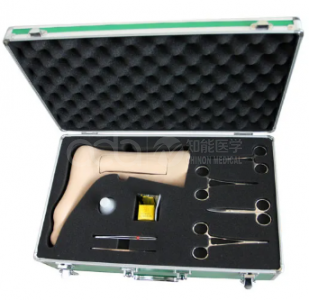
The venotomy model is a simulation training tool used in medical teaching and clinical skills training, specifically designed to simulate the operation process of venotomy.

2025-10
Advanced Gluteal intramuscular injection and anatomical structure model is a highly realistic medical teaching device, mainly used for intramuscular injection operation training of nursing, clinical and medical college students. This model is made based on the real proportion of the human buttocks.
2025-10
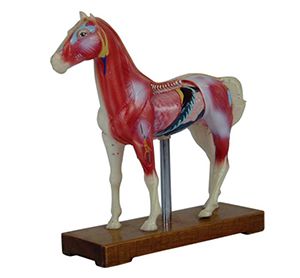
The horse body acupuncture model is a highly realistic model specially designed for veterinary acupuncture teaching and clinical training, mainly used for learning and practicing acupuncture skills in horses.
2025-10
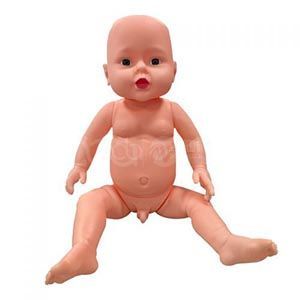
Full-term infant models are highly realistic teaching models designed in proportion to normal full-term newborns, and are widely used in teaching and training in fields such as medicine, nursing, and midwifery. Its main function is to help learners become familiar with the physiological structure and care operation procedures of newborns, and master the basic care, assessment and first aid skills after the birth of infants
2025-10
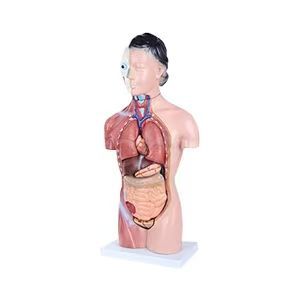
The significance of the female trunk model lies in helping learners systematically master the anatomical structure and physiological characteristics of the female human body, and it is an important auxiliary tool for medical teaching, nursing training and clinical operation practice.
2025-10
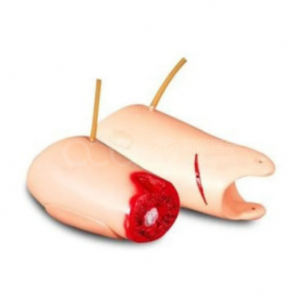
The function of the bleeding control thigh model is to help trainees master the standardized techniques of hemostasis and bandaging in trauma first aid. This model is designed based on a simulated human thigh and features an adjustable bleeding system that can simulate various types of arteriovenous bleeding scenarios.

2025-10
The advanced ear examination model is a simulation model specifically designed for otology teaching and clinical operation training, aiming to help learners master the anatomical structure of the ear and routine otology examination skills. This model is usually made of high-precision materials, accurately reproducing the auricle, external auditory canal, eardrum and middle ear structure, and can mark important anatomical landmarks, providing intuitive references for otological operations.
2025-10
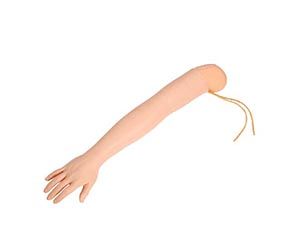
The arm venipuncture model is a teaching tool commonly used in nursing and medical skills training. It is mainly used to simulate the structure of the upper limb venous system in the human body, helping trainees master basic operation skills such as venipuncture, infusion, and blood collection proficiently.